Bene Office Furniture
Subscribe newsletter
Symposium Future of Work 2012
26. June 2012

Symposium Future of Work 2012

Your job is not to predict the future, but rather to make it possible, the famous writer Antoine de Saint-Exupéry once said. This would be a good description of the energy that was in the air at the Future of Work symposium. Conference and event organiser L.S.Z. Consulting invited CEOs, HR managers, IT specialists and others to the Vienna Novomatic Forum on 14 June to discuss how work environments in Europe are changing - and how companies can address the new demands being placed on them.

Welcome to the new world of work

All of this talk of "change" is no longer a matter of thinking about something on the distant horizon, but instead reflects an increasingly pertinent concern for many in their daily working lives. This is true above all for digital cowboys, those creative and flexible younger workers who prefer to set up office anywhere and everywhere. Because for them, the most important work tools are their iPads, smartphones and their ability to cooperate across all borders.


Knowledge is the most important resource

All of the keynote speeches reflected the realisation that knowledge work is becoming more and more important. Instead of relying on procedures that just go by the book, products and services are being developed using knowledge that is continuously refreshed. To achieve this, knowledge workers need creative surroundings, cooperation and exchange with others, and a place to retreat and concentrate without disruptions. The classic work accoutrements – desk, paper, pen and telephone – are supplemented with digital tools like the smartphone, the iPad, instant messaging and video conference systems. This means that companies must provide work environments and conditions to facilitate these developments. People, places, technology - these are the pillars that office space design, to say nothing of working hours and procedures, will have to accommodate. The speakers all agreed that there is no rule book to go by, but there are general ideas that will help companies to be competitive in the future. The objective of the new working environment, after all, is company profit: the company must retain high potentials as employees and make customers happy over the long term.


Trends @ Work

Franz Kühmayer from the management consulting firm Kühmayer Schilling & Partners, who moderated the event, sees two core themes that companies face: "The individualisation of working life is certainly one of the most important topics for the future. Employees want to make a contribution to the company, to have a say, and to organise their time themselves. And they want equipment that they can use to work at home and which can be easily carried between the office and home. The second theme is that the transformation of the working environment is not a feel-good topic, but rather a subject that companies must deal with in an analytic manner." But do all employees really want this wonderful new working environment? Kühmayer is convinced that "the company of the future will have to cater to different work styles ranging from that of the digital native, who is used to being informal and finding things online, to that of the traditionalist, who is formal and used to being given a strategy from above." It will be important to find a means to integrate these generations, because not everyone is a digital cowboy, as Mark Müller-Eberstein calls the new generation. The author of the best seller, No Fear: Business Leadership in the Age of Digital Cowboys made clear in his speech, however, that this is who the future belongs to.


A Digital Cowboy‘s World

"Digital Cowboys are connected, decentralised decision makers", says Eberstein, addressing a point that is important for management. "The new generation wants to work in a company that does not dictate to them when and where they must work. The 9-to-5 job is history now. And this generation no longer expects the leader to tell them everything and know everything. But it does expect the leader to say: I hear you, that’s an interesting question, we will look for a solution." Digital cowboys don’t much care for classic top-down decisions; they can find the information they need faster themselves anyway. A person who stores data in the cloud, so that it can be accessed from anywhere by everyone involved with the project, and who can mobilise a global network of colleagues, friends and peers from university, experts and chance acquaintances within a very short time using online tools such as Facebook, Twitter and the company’s intranet understands that email is not always the best choice. He or she is furthermore at home in a global pool of knowledge that is constantly expanding through networking. And the tenor of the symposium was that this is the key competence in the new working environment. This is especially true since modern media are already the digital generation’s primary means of exchanging information, even when it comes to job applications.


My office is where I am

The efficiency of the new social-media-supported "collaborative worlds", as Michael Weiss, director of the Sparkassen Academy (yes, even the "conservative" banking industry is thinking about social media) appropriately called them, is substantiated by the hard facts of cost reduction. When you hold a video conference or discuss a project on Skype, you save on travel expenses (and it is also good for the environment). Employees are willing to work more because they are controlled less and feel freer. If someone has a minor cold, they don’t just call in sick; they work from home instead. Salaries also tend to be lower when the employer is cool. It seems the principle holds true: If I am happy working here, then I don’t care much about money. Studies show that starting salaries are sinking by 10 to 20% for this reason.

Freedom and self-determination are essential factors, Alexandra Moser of Microsoft, who presented her company’s new corporate office, confirmed. The employees were involved in its design, and this was very motivating, said Moser. The new spaces are not only equipped with cutting-edge technology, but they also move away from the classic principle of one person, one desk. Smaller work spaces for different needs are the requirements of the future. Be it a shared desk, think tank, call-space, retreat room or a creative lounge – there are many different ways to make knowledge work more productive, innovative and pleasant.

Work, life, future

Making the office pleasant is not just a nice thing - it also makes sense. When you enjoy working, you are more productive, innovative and even healthier. So the fact that a work-life balance is important to the new generation is good for the company too. And the bottom line is that in the knowledge society, work and leisure time are becoming increasingly intermingled. Self-initiative is as much in demand as having an open eye for everything that is going on in the world around us. Or, as Michael Bartz, a professor at the University of Applied Sciences in Krems, put it: "The company of the future is like a company cloud, with diffuse and flexible borders. Linearity is passé."
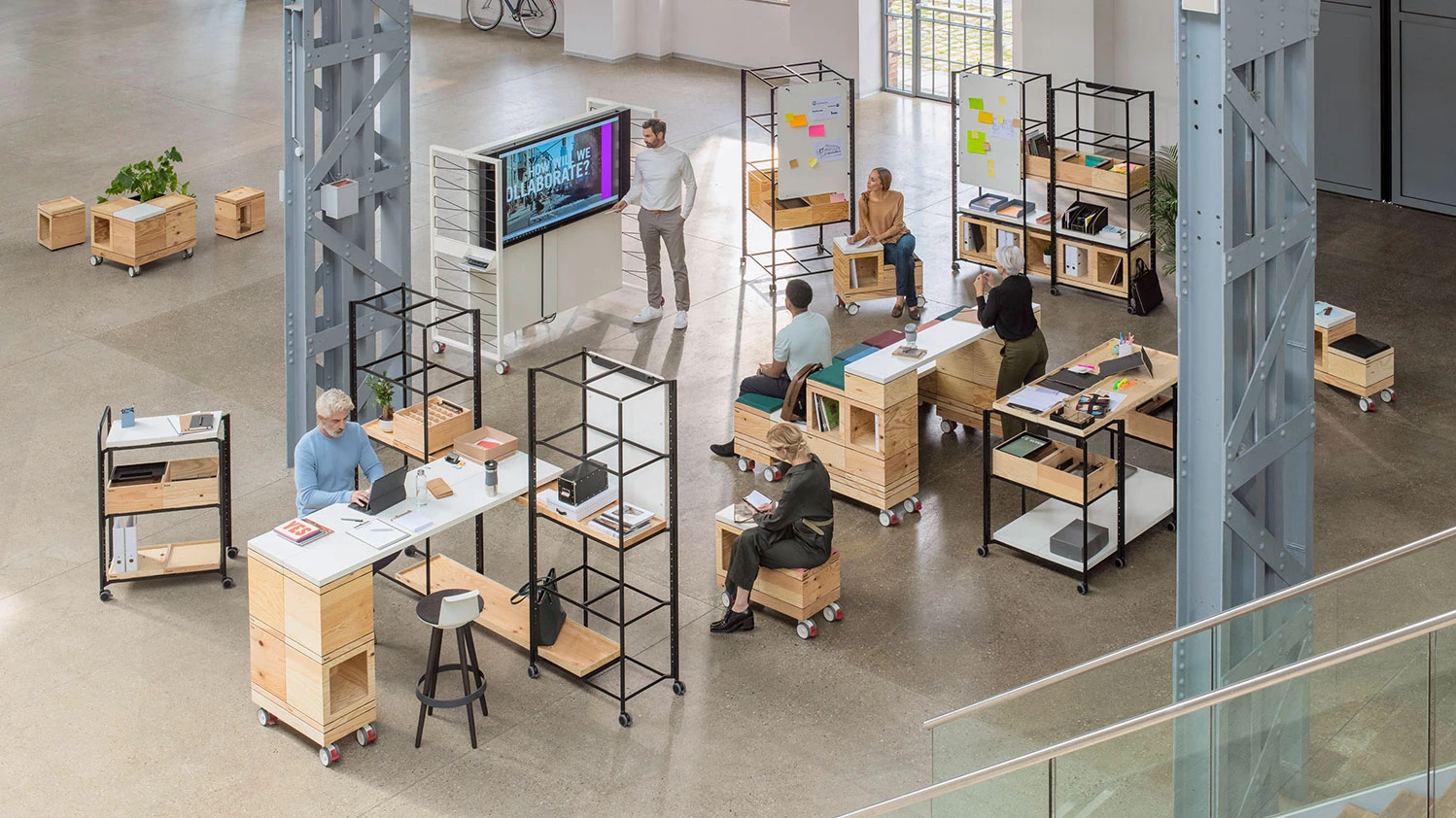
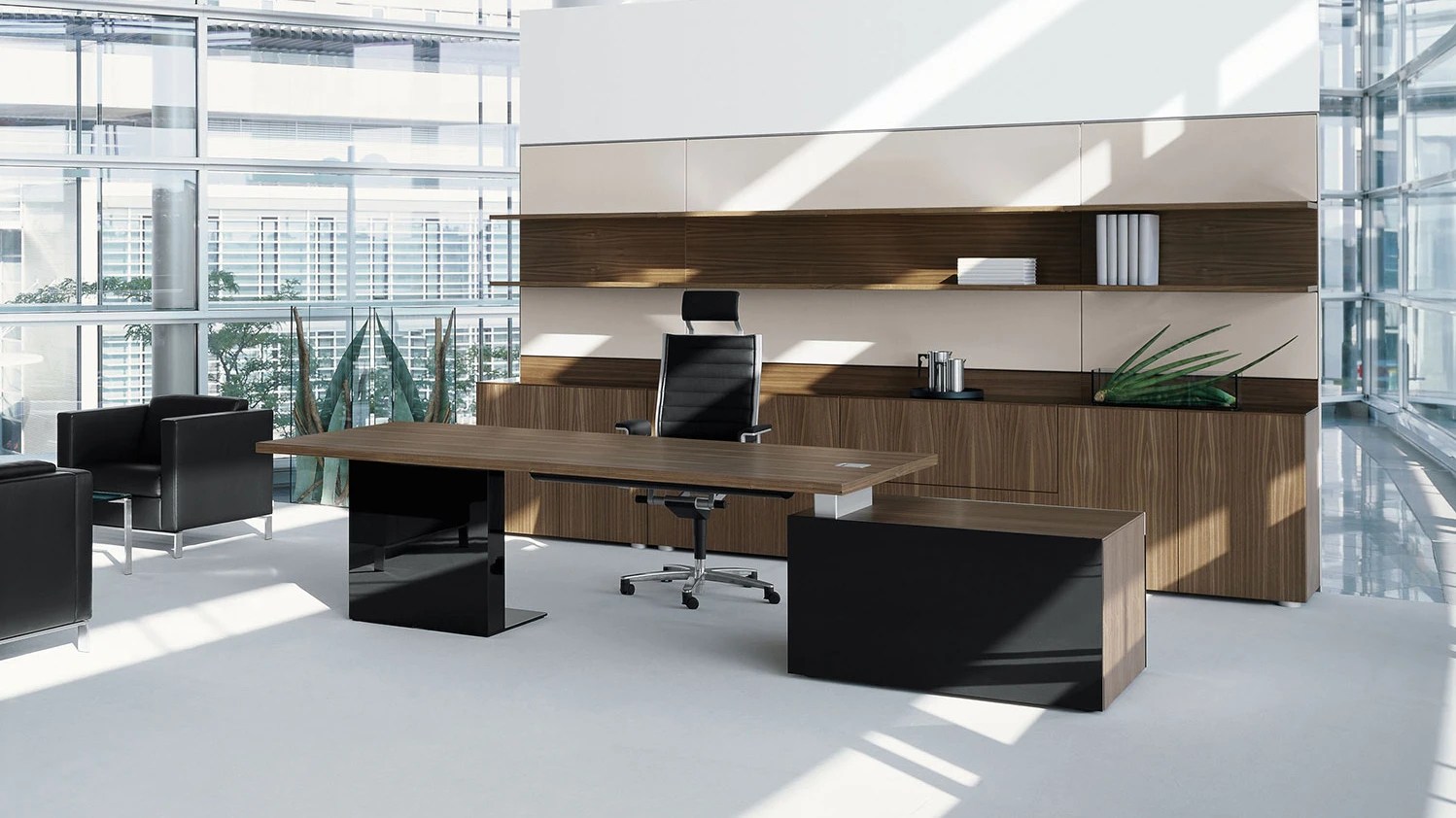
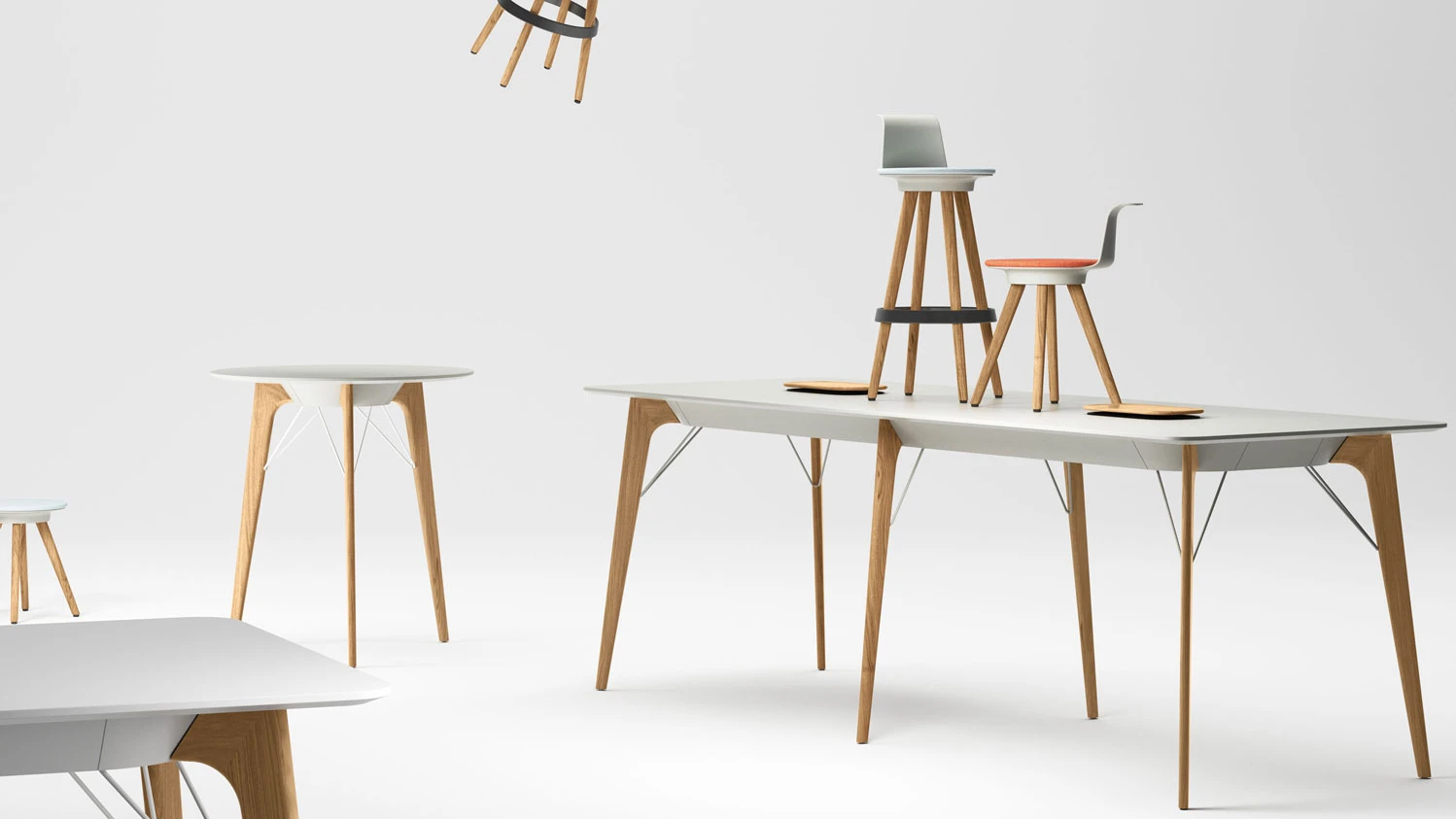
In any case, the future had already arrived at the symposium: Instead of classic conference seating, participants sat in an informal setting of Bene’s PARCS office furniture collection; in place of the usual lunch there was a brunch, and personal technology was a plus. Laptops and iPads were explicitly welcome, since simultaneous listening, tweeting and checking information online is no problem for the new generation of workers.

Ruth Weismann