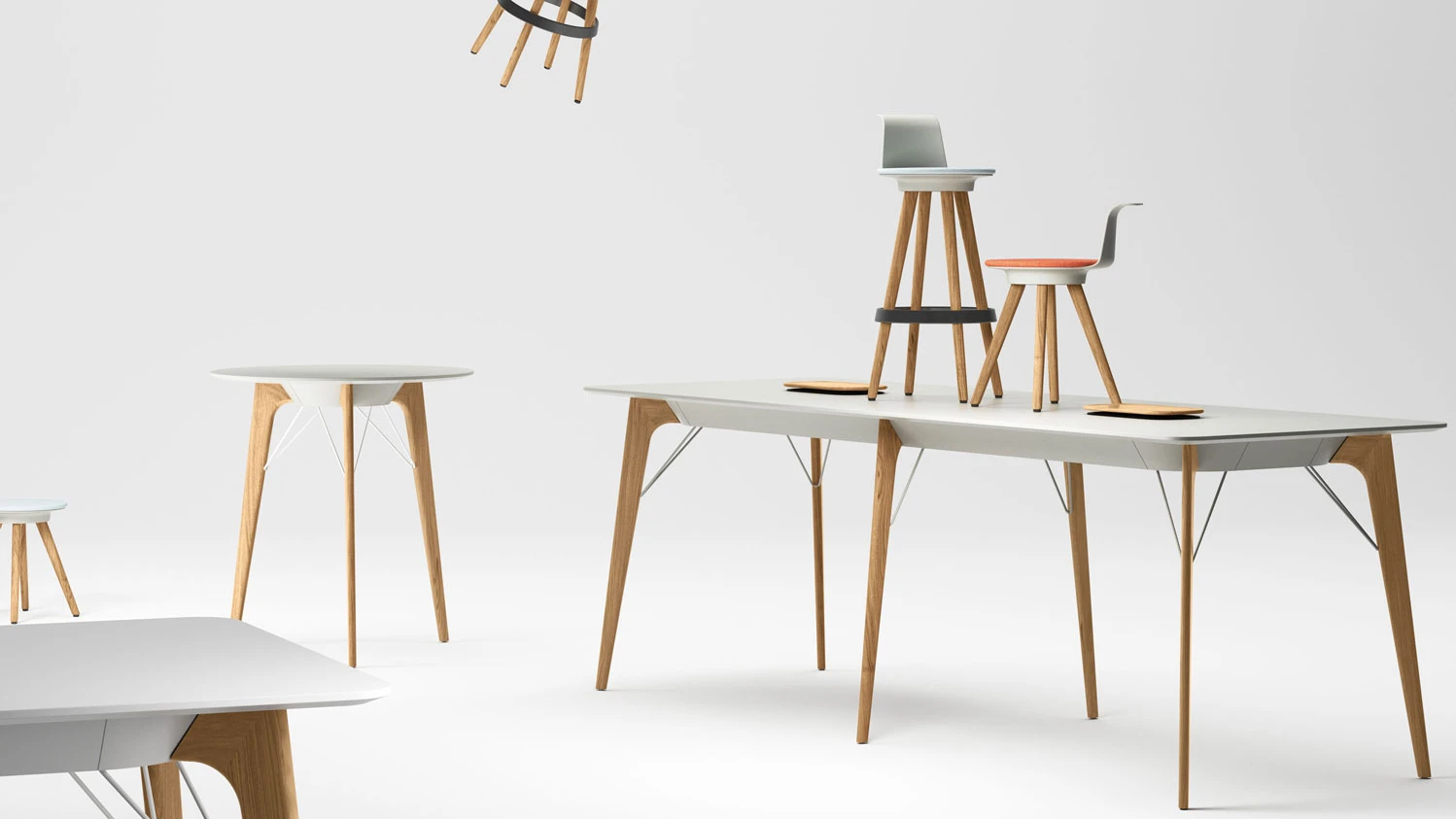
No visual crowding
Bene is offering a new gamut of colours and materials. We have used the occasion to discuss – rather objective – standards for – a very subjective – colour selection process with mastermind Kai Stania.Mr. Stania, together with Christian Horner and Johannes Scherr you are responsible for designing Bene products. You brainchilded new classics such as the successful AL office furniture line. Your colleagues refer to you as "Dottore Colore" – who do you owe this moniker to?
Kai Stania (laughingly): Ever since I designed Bene’s new colour concept in 2003, some have used that nickname for me. Back then, the aim was to develop a new system, a tool for colours and materials that would assist sales representatives and their customers in making decisions.
Colour choice is very subjective though, do people indeed feel insecure about making decisions?
Too much colour is not accepted by our society. Most people don’t want that. This is why so many cars are black or silver, rather discreet. Social standards also play a role in dealing with colour: Black is perfect for a cocktail dress, however for a wedding gown it is unacceptable.
Back to Bene’s colour concept. What was "Dottore Colore"’s diagnosis back then and which treatment did he prescribe?
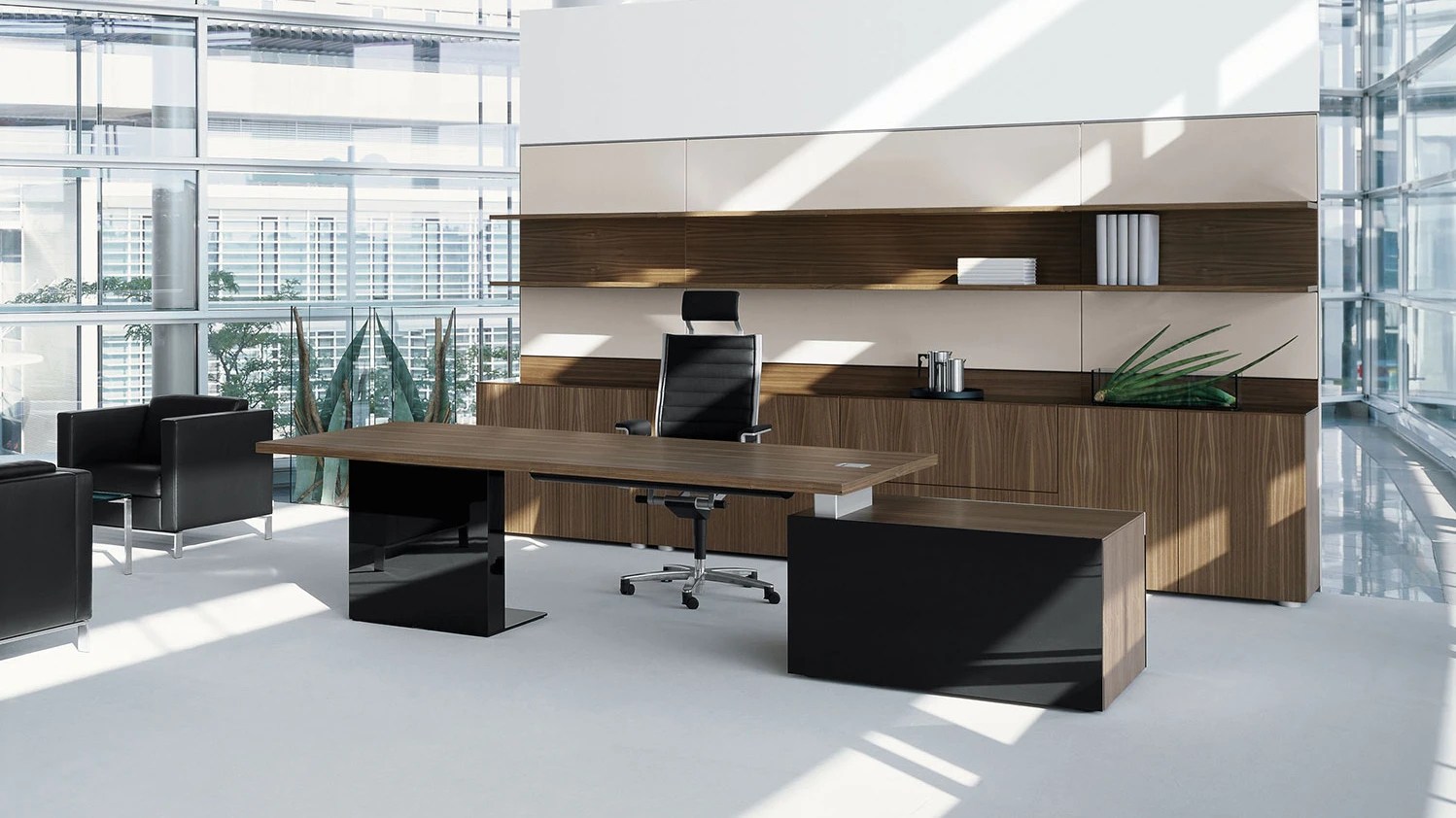
I realised that colours have an emotional component and they can only be judged in their individual context. In terms of office spaces this requires looking at the entire space, including the floor, the ceiling and the walls. I opted for a consistent colour concept for all Bene products to facilitate overview. This corresponds with Bene’s corporate philosophy: Our product is the entire space. And that was the real challenge.
How did you go about designing new Bene or office colours?
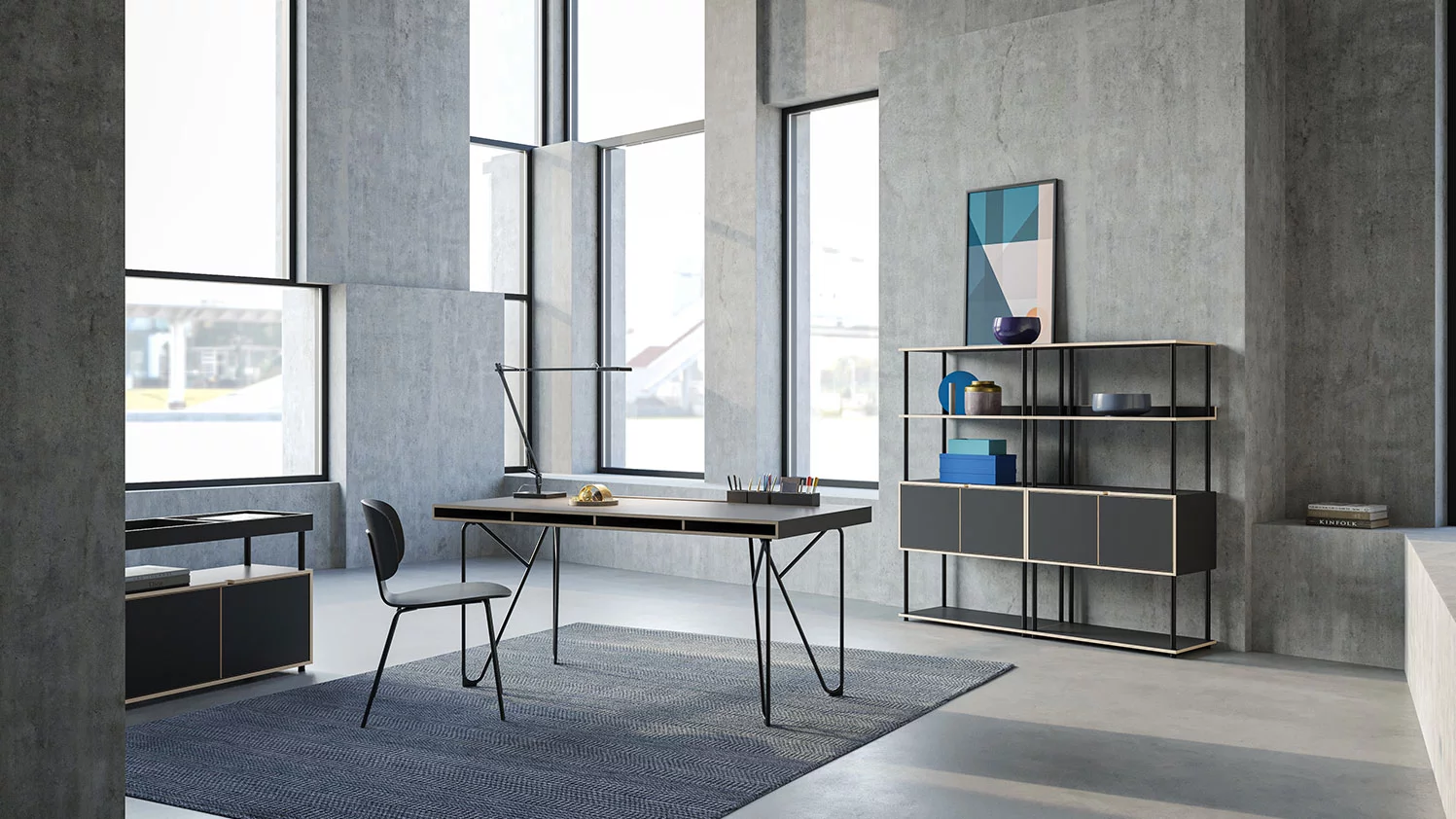
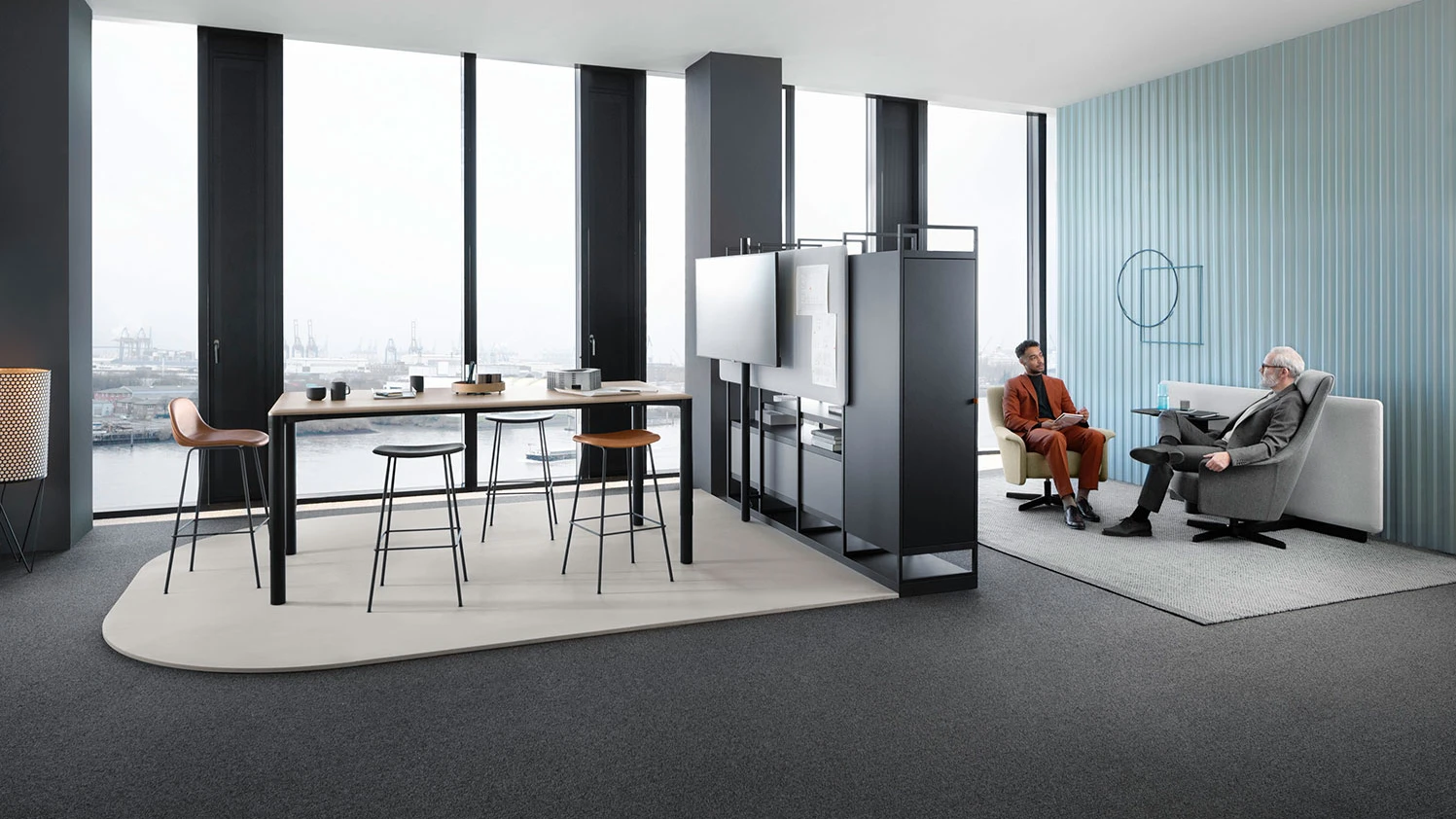
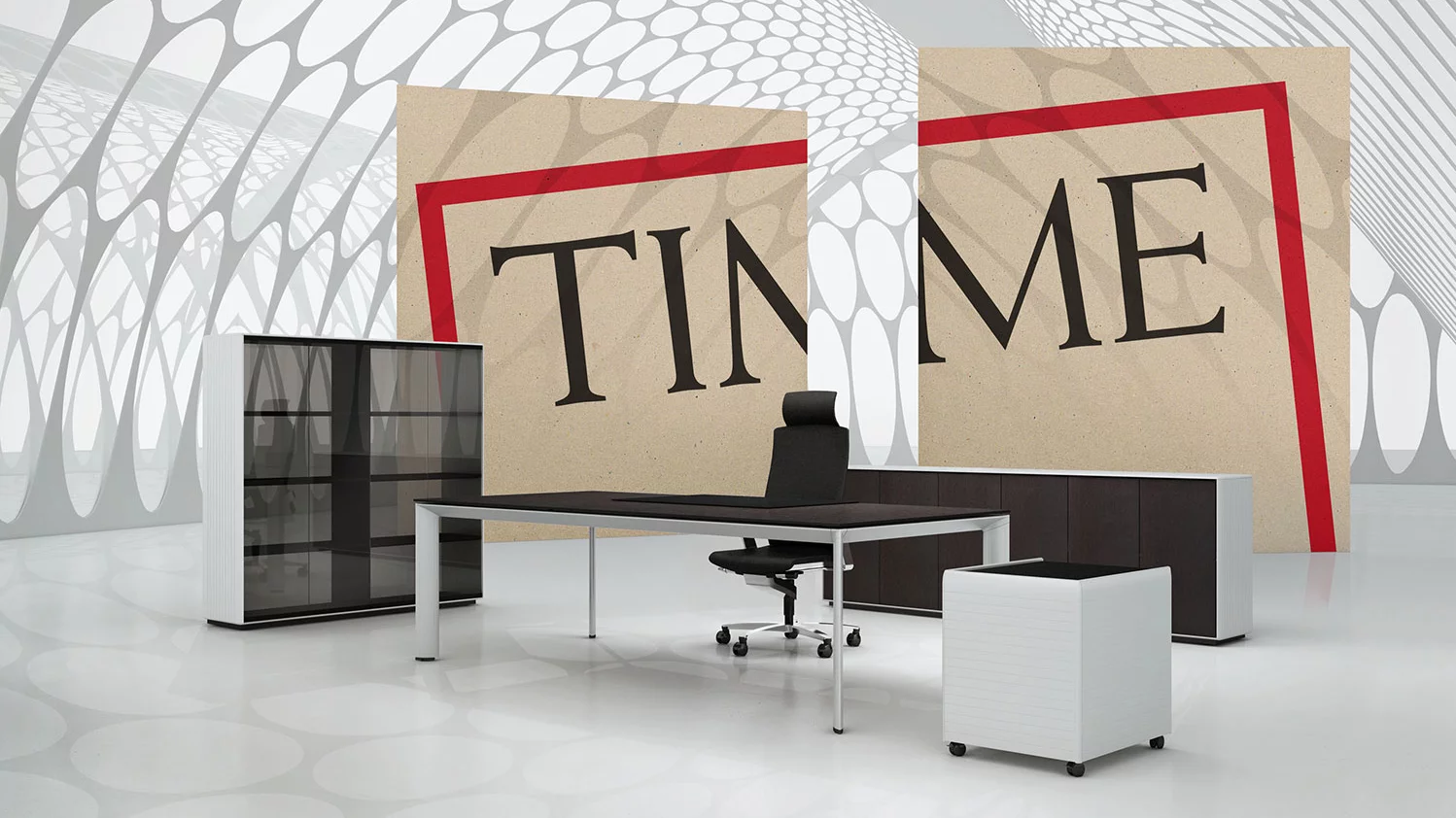
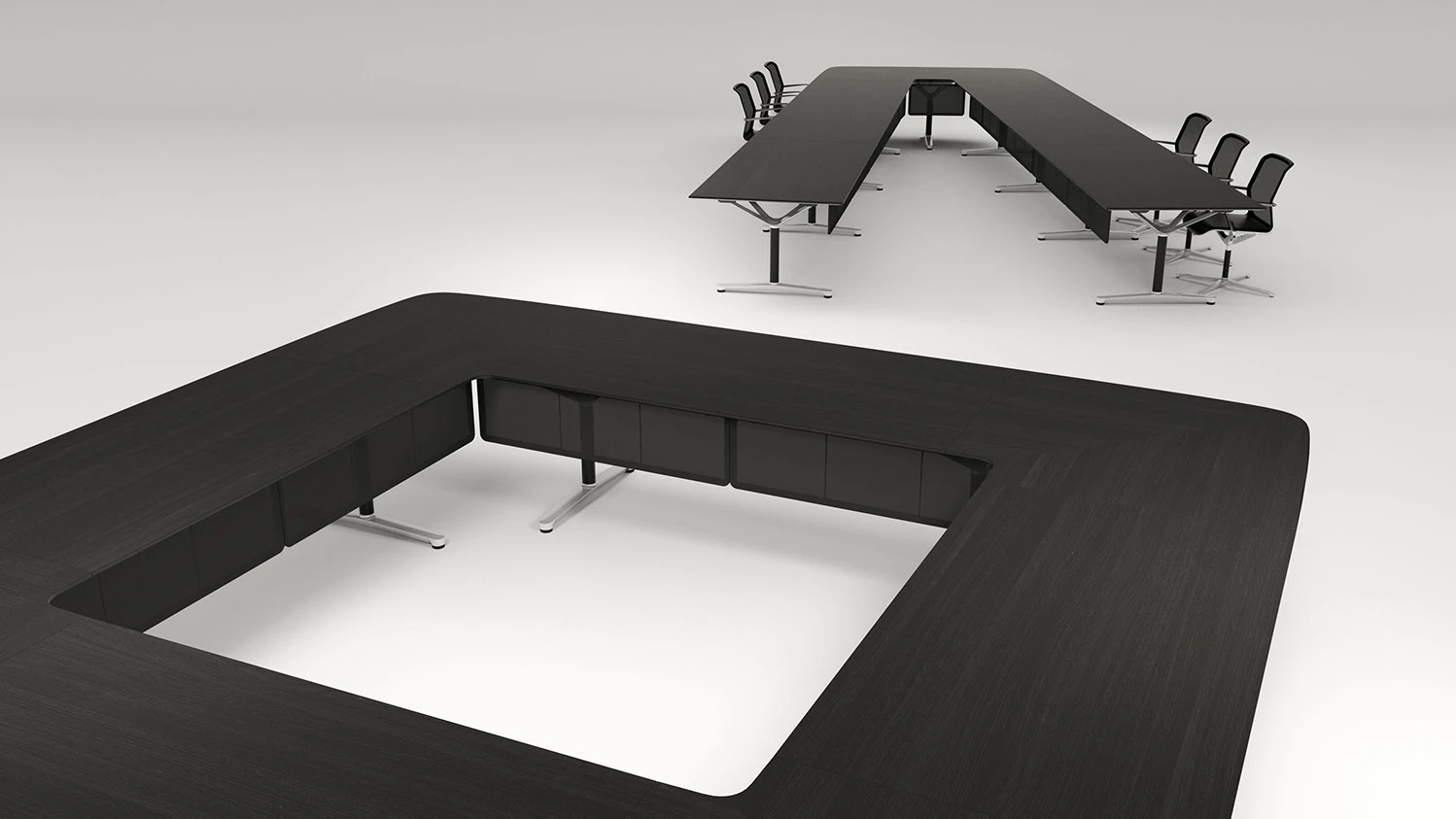
I was intrigued by starting with the specific context and analysed it in a first step. The office is supposed to facilitate concentration and communication, a place free of visual crowding and distraction. Which is why I stick to the motto: Less is more! The office industry tends to have longer product life cycles than other industries, which is why trends have to be approached differently. It is important to identify lasting trends – and to find the best solution for incorporating short-lived fads.
For example?
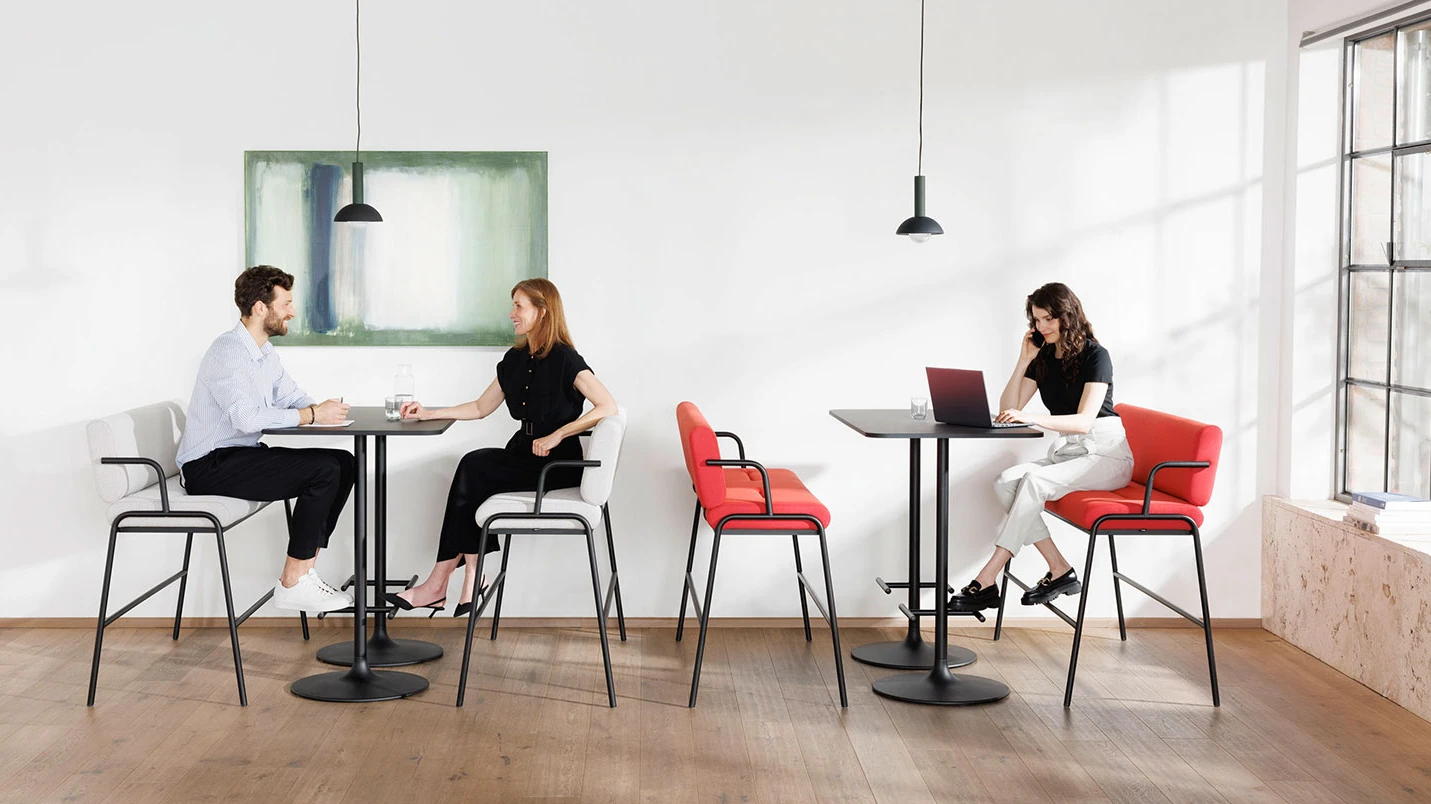
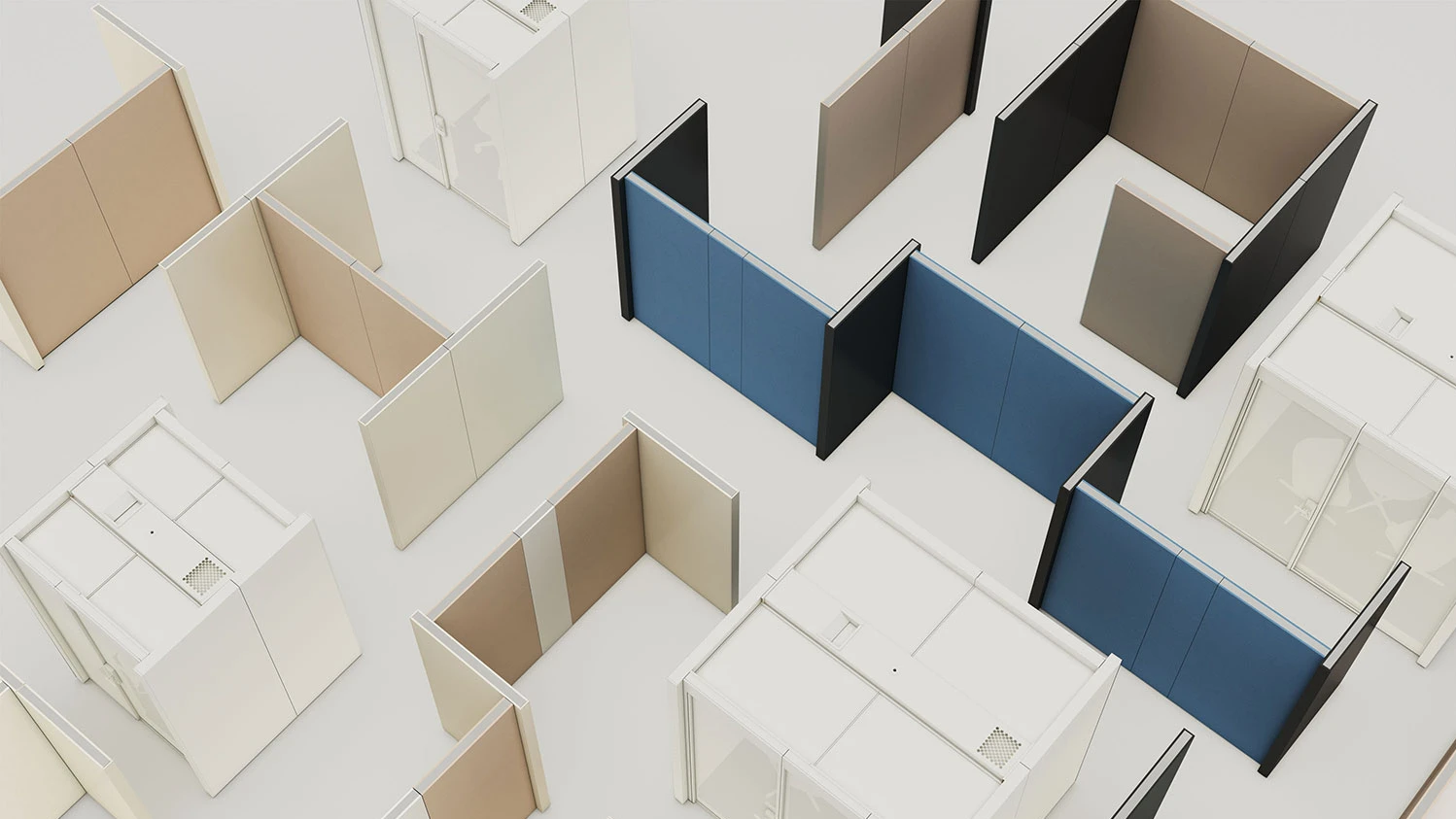
Accent colours; these are bright, refreshing and trendy colours. They are used to add colour to the space, such as in the form of screens or accessories, and can be easily replaced after a while. This is a new phenomenon in the office furnishing industry. Flexibility is paramount. Accent colours correspond to the latest trend: sharper, clearer, contrasting. Striking. Individual. The office is so-to-speak "spiced up".
Which "Do´s & Don´ts" do you recommend for selecting colours at the office?
First, the base tone has to be selected, the right room ambience. Do not combine more than three colours. Choose only one wood colour. Focus on the entire context. Change can be introduced by placing accents. The most important rule: Creative identity is the product of minimising your choices from a pool of sheer endless possibilities. And: All analytical approaches aside, colours should still be chosen intuitively.
You are trained as an architect and your style today matches the cliché of the building artist dressed in black. How about yourself, do you sport colours and what is your favourite colour?
(Laughingly). For me, black or dark clothes equal simplification. I don’t have to think about what to wear. I don’t have a favourite colour – as I said before, the context is relevant to me. In terms of clothing this would include the seasons. In summer, you can often spot me wearing lighter colours.
Thank you for the interview.
Désirée Schellerer
Products by Kai Stania:
BENE. T-Workstation
BENE. T-Front Office
BENE. T-Lift Desk
BENE. T-Meeting
BENE. T-Workbench
BENE. AL_Group
BENE. AL_Group Conferencing
BENE. AL_Group Executive
BENE. Dexter
BENE. Mezzo
BENE. Otis
BENE. Rondo
BENE. RV Dividing Wall
BENE. T-Meeting Stand Up Table
BENE. Free Desk
BENE. T-Meeting Side Table
BENE. KB Box