Bene Office Furniture
Subscribe newsletter
Vienna Design Week 2009: Idea Generation
21. Oct. 2009

Invitation to an ongoing journey

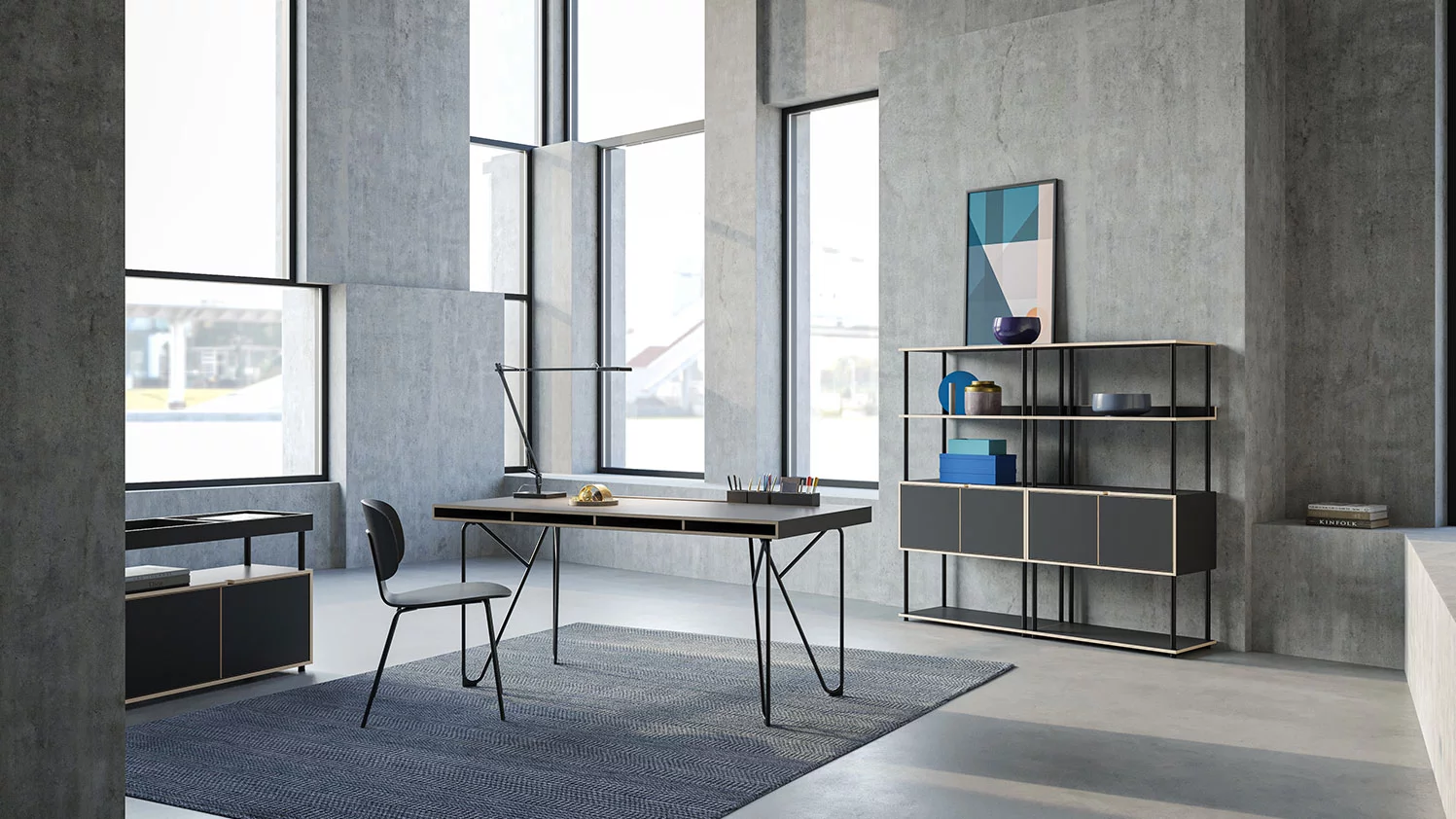
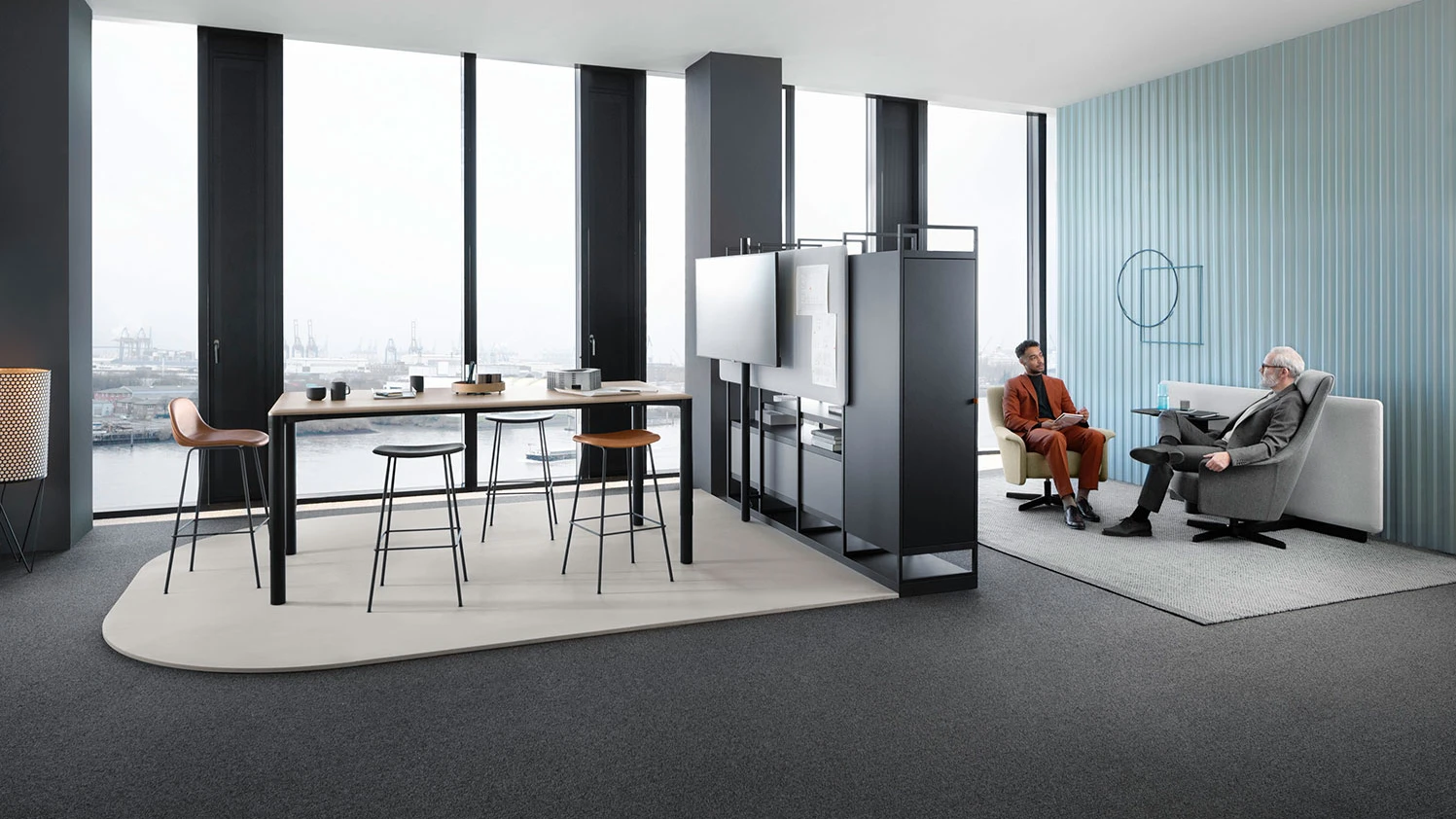
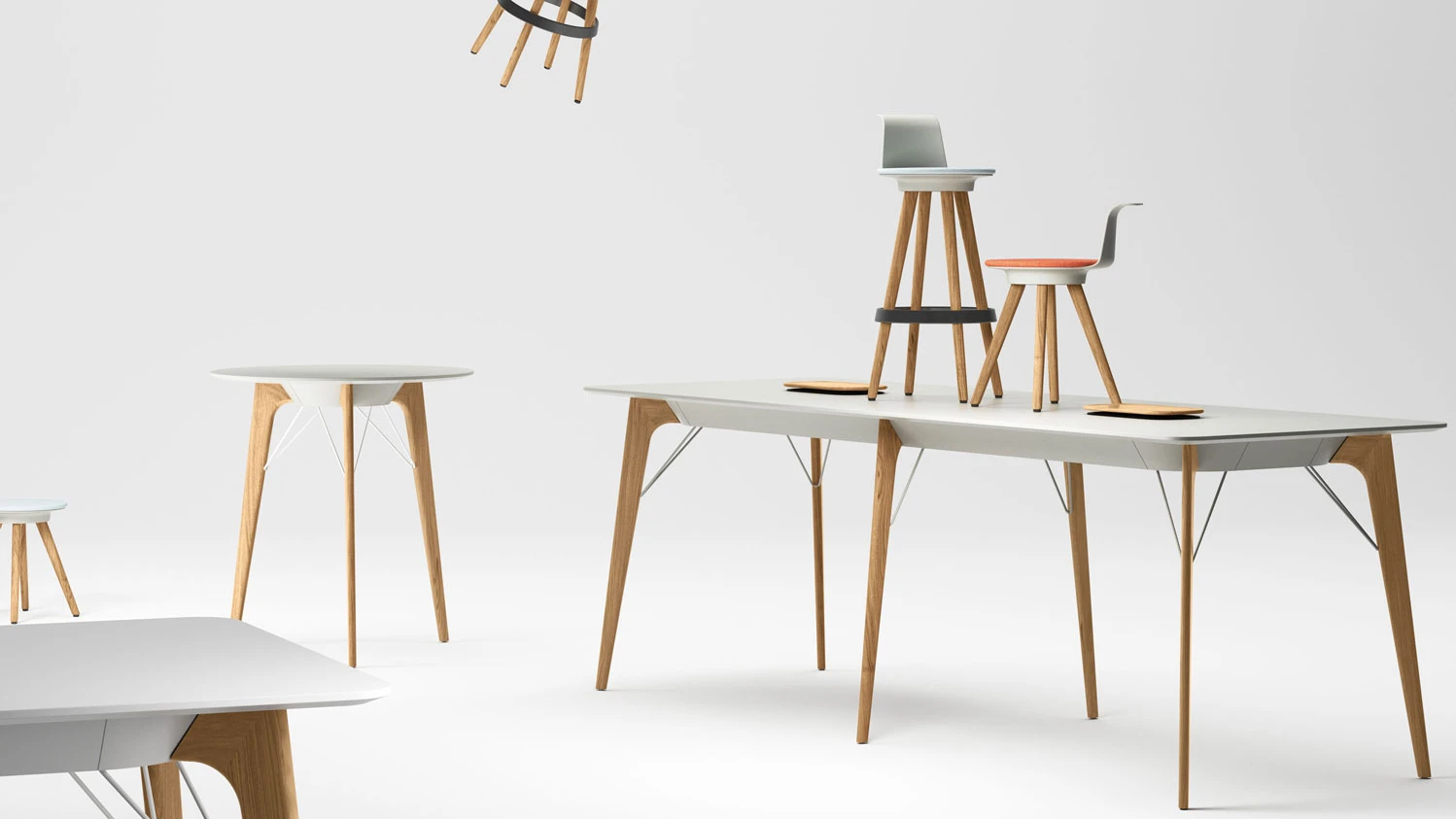
With the completely new and unconventional PARCS furniture collection, Bene has responded to the need for new forms of productive communication in the office. Presented for the first time to a broader audience during Vienna Design Week, a panel at the Bene showroom on Renngasse in Vienna focussed on the creative tension of the design process, the working typologies of modern knowledge workers and the economic requirements that are placed on the product.

Bene presents the new PARCS product series

When someone has gone on a journey, they have something to tell. And at length. The "journey" that Bene embarked upon months ago left the final destination fully open. "We knew that the needs of the modern office have changed dramatically", says Thomas Bene, head of Marketing and Portfolio. "Office work is no longer organised on a linear model, but rather on a networked one. "For knowledge work and knowledge workers, this network stands for a dynamic, highly interactive office and communication culture that is constantly in flux. The question was therefore quite clear: What does furniture have to look like to create an optimal environment for this kind of work?"


A new "species"


In order to find the right answers, Bene supported a research project at the renowned Helen Hamlyn Research Centres at the Royal College of Art in London. This project focussed on the habits, needs and particularities of this new "species" of knowledge worker. Intensive research, field surveys and interviews resulted in four specific profiles that summarise typical patterns of behaviour in modern office work:

The ANCHOR (Desk-surfer):

The work of Anchors is concentrated primarily on their personal work desk and its immediate surroundings. Communication flows primarily in one dimension, in their direction: they receive information and process it. Classic examples are back-office areas and administrative activities.

The CONNECTOR (Middleman):

Connectors use their own desks about half the time and the rest of the office infrastructure the rest of the time. They ensure the flow of information by gathering and distributing it. Their radius of action extends to the actual company. This is the person whose communicative function is primarily practiced face-to-face, making Connectors true insiders who are the pulse of the company.

The GATHERER (Collector)

They move over a larger area, use the entire office and are often underway outside the office. They are intersection points for knowledge. Their desks are the landing site for innumerable inputs and yet is also a place of refuge where they process the material found on their travels.

The NAVIGATOR (Pilot):
Navigators rarely use their own offices and often don’t have their own desk. They are underway regionally and globally and come to the office to exchange information and attend meetings. A Navigator’s life consists primarily of communication.


Between communication and concentration.


The environment in which these working people move must be diverse, communication-oriented and flexible. For Jeremy Myerson, Director of the Helen Hamlyn Centres, two observations stood out above the others: "Of course communication is a major topic in the office. But at the same time it’s always about concentration! Because regardless of where I’m sitting or with whom – I have to be able to concentrate on my tasks and the actual productive work I need to do; whether I am alone or with others, be it planned or spontaneous".

"And the second fundamental realisation is that we have not yet reached our destination". "This is an ongoing journey!"


Being productive, even when you’re not at the workplace


UK designers Luke Pearson and Tom Lloyd were and are "fellow travellers" on this voyage of discovery of "New Working Environments", and they have been involved in the research process from the beginning.

Founded in 1997, PearsonLloyd’s broad range of projects includes interior design, furniture design and consulting, as well as product design and the design of public spaces. Diversity is their hallmark. And yet all of their work has one thing in common: its focus on people.

Numerous international customers, such as Artemide, Bene, Classicon, Fritz Hansen, Steelcase, Lufthansa and Walter Knoll, recognise the value of this focus. Be it lighting projects in Westminster and Sheffield, desk and storage programmes for Knoll International or the design of a Upper Class executive airline seating for Virgin Airlines.

"The end goal of the design process was always completely open for us", said Tom Lloyd in the discussion. "It was important to note that Bene gave us a lot of time to work on the project, so we were able to really delve into the results of the analysis and invest a lot of energy into an optimal design".

"One of the most important inputs for us, though, was that office work is increasingly disassociated from an actual ‘workplace'. Someone who isn’t sitting at his desk today, but instead is in some other zone of the office, perhaps talking to others, can still create value and results for the company. That’s why is precisely these kinds of zones need to be created to facilitate different meeting and communication environments".


PARCS – Ideas taking form


Historical and anthropological "sites of communication" became models and sources of inspiration for PearsonLloyd during the design process. PARCS takes certain archetypal forms and associates them with the needs of a modern work style. A few examples:

The central motif of Causeway is the Giant Causeway, an impressive natural rock formation made of 40,000 basalt columns in Northern Ireland, a world cultural heritage site and tourist attraction. The PARCS designers observed how visitors behaved in this space, and they determined that everyone on the cliffs assumed a position that was comfortable for them - sitting, perching, leaning, lounging or standing. It is precisely this ergonomic freedom that we need in the communication areas of a modern office.

The name and idea for the Toguna come from Mali, West Africa, where it is the traditional gathering place for village elders. What is unusual about the Toguna is that it is only about one metre high. This is meant to prevent people from standing up to make a point during heated discussions, and this physical structure contributes to fair and democratic discussions.

The Wing Chair takes its inspiration from classic wingback seats, and their ability to swivel is an additional step towards the design of the private sphere. During the design process, the Wing product series was expanded to include the "American Diner" for 4 or 6 people – a discussion area that can be used in any open space.


PARCS – Bene’s answer


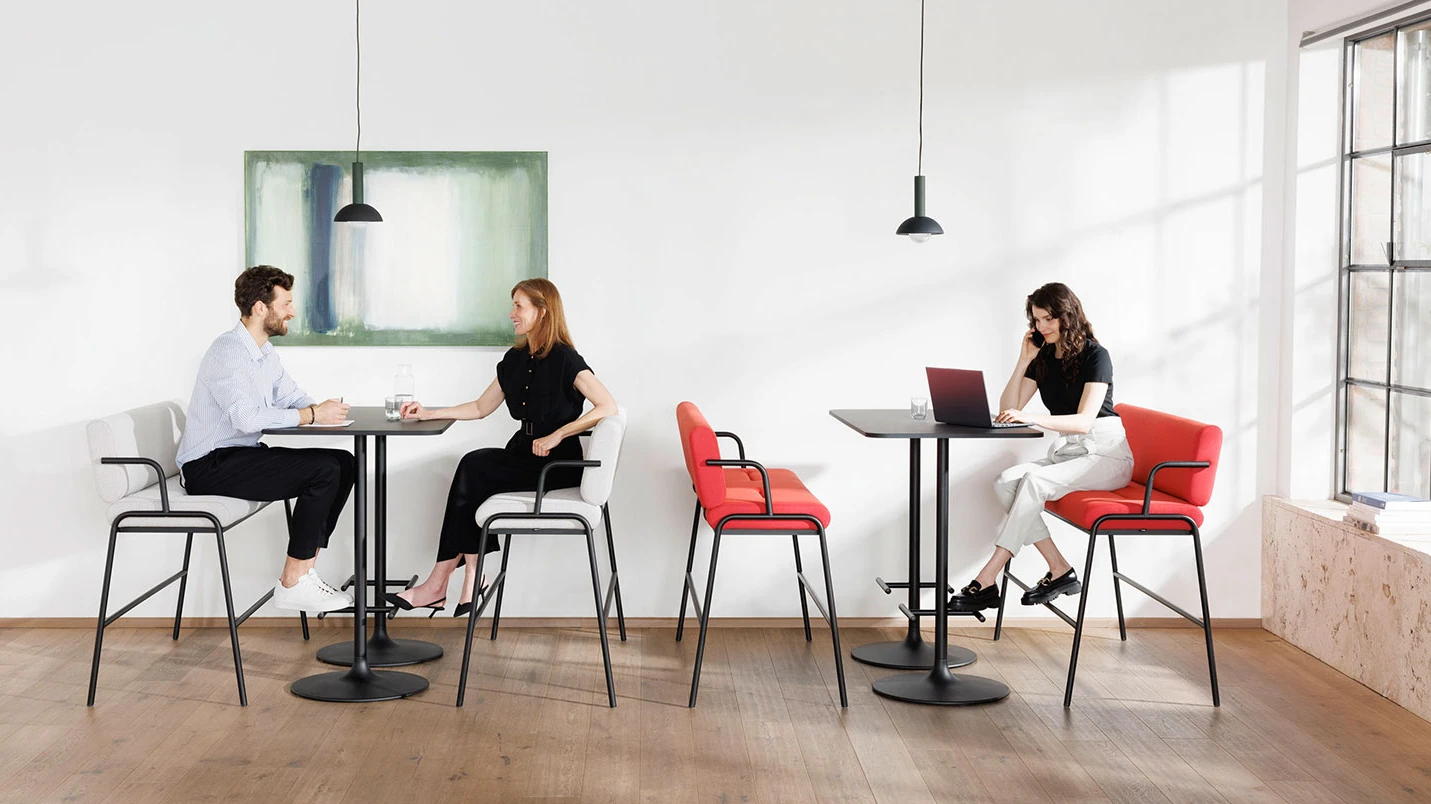
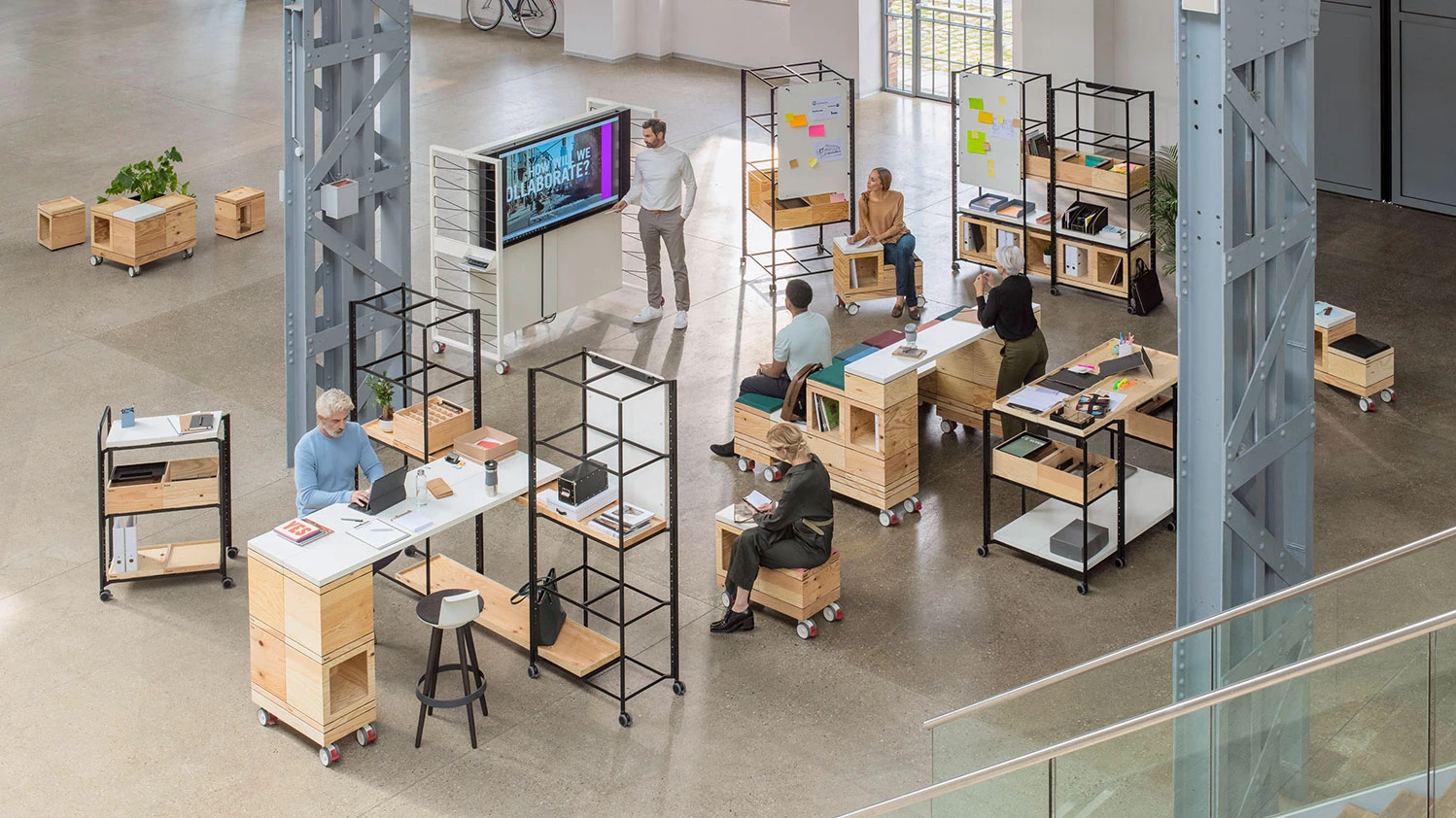
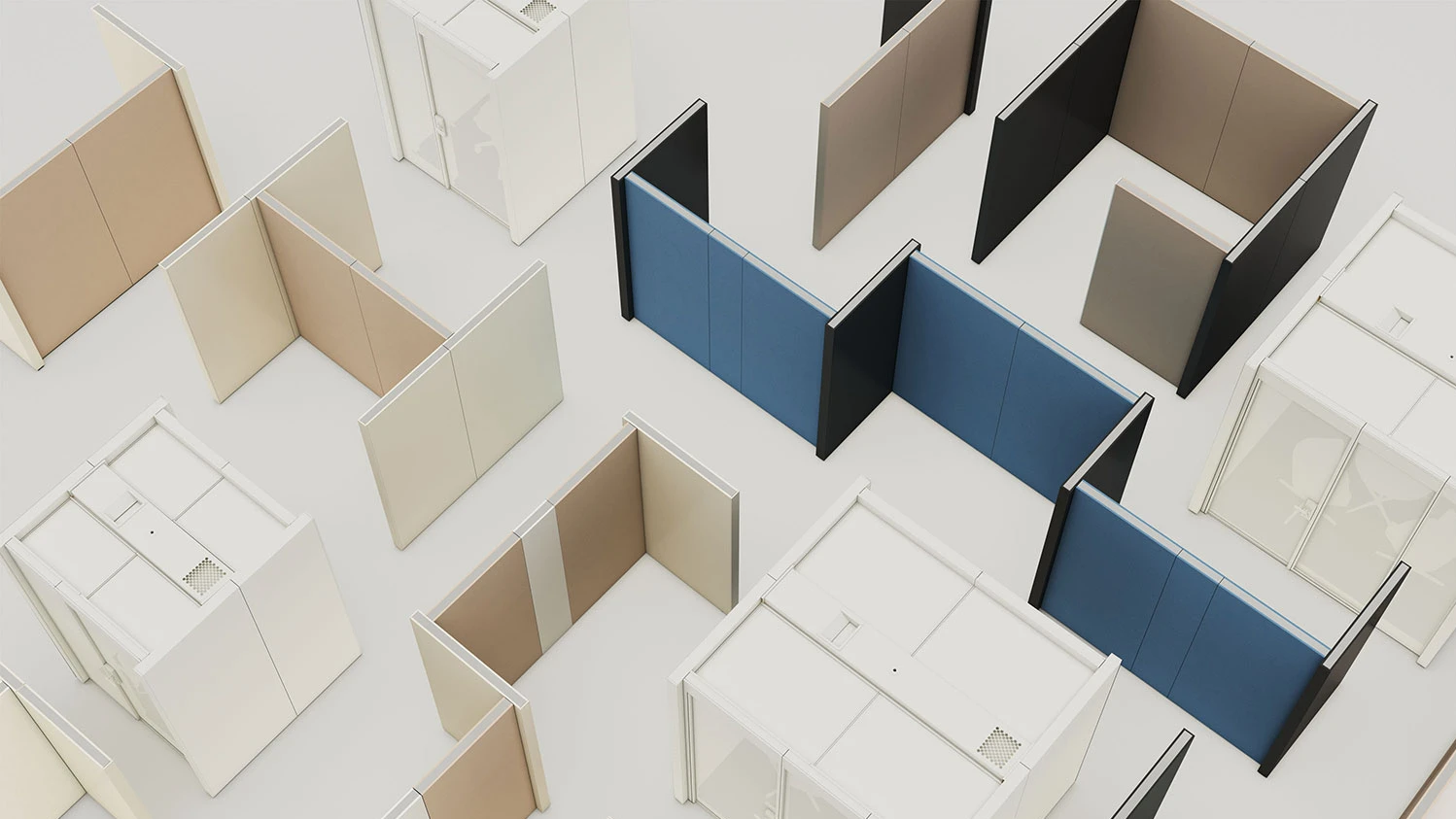
This resulted in a collection of flexibly combinable furniture and components that can be configured as needed, relating to each other in changing ways, offering a surprisingly large variety of individual office landscapes for highly different situations. Each setting fulfils a particular purpose in its specific form that enhances concentration or communication, interaction or privacy.

"We felt it was very important that PARCS not be understood as a predetermined product, but rather as a cultural facilitator or catalyst", says Luke Pearson. "PARCS will continue to develop and change as soon as technology changes".

Stay on the ball.

Brigitte Schedl-Richter