The New Lightness of Structure
An Interview with Christian Horner, Topic: Metal Rack
An Interview with Christian Horner, Topic: Metal Rack
What demands are placed on modern storage furniture, and how have they changed?
Slowly but surely, digital storage is replacing analogue storage. The office cabinet once filled with folders is giving way to multifunctional storage solutions with far more diverse, decorative and space-structuring functions.
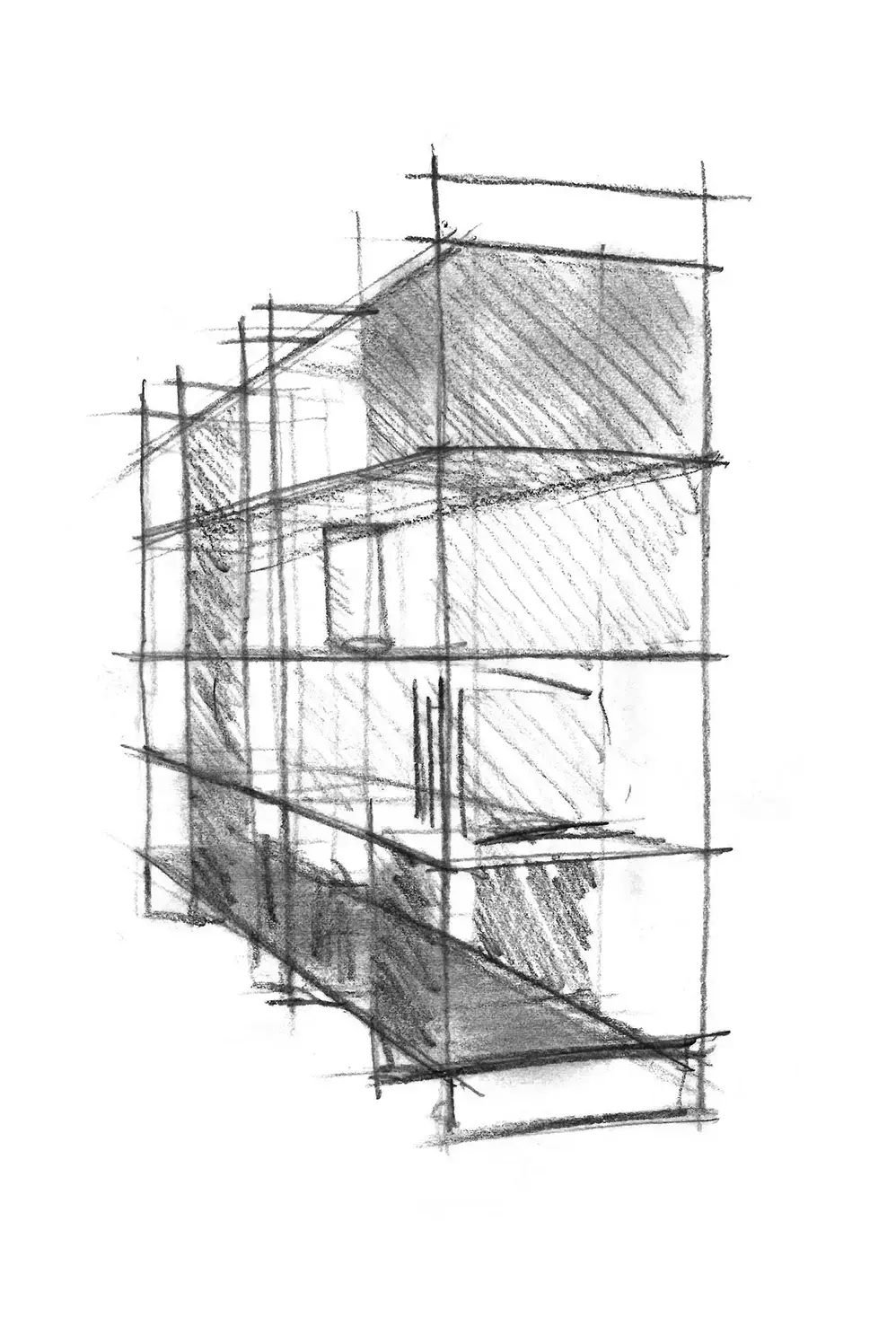
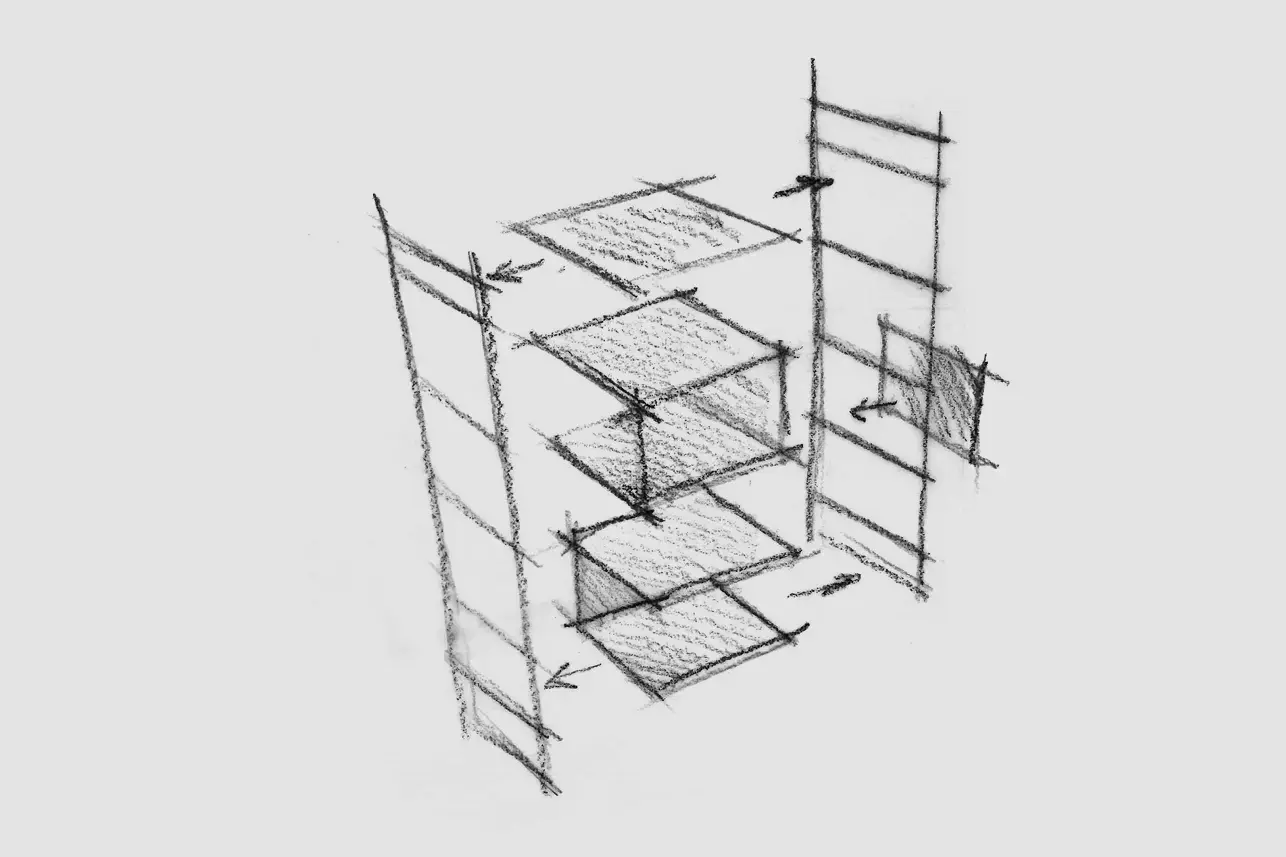
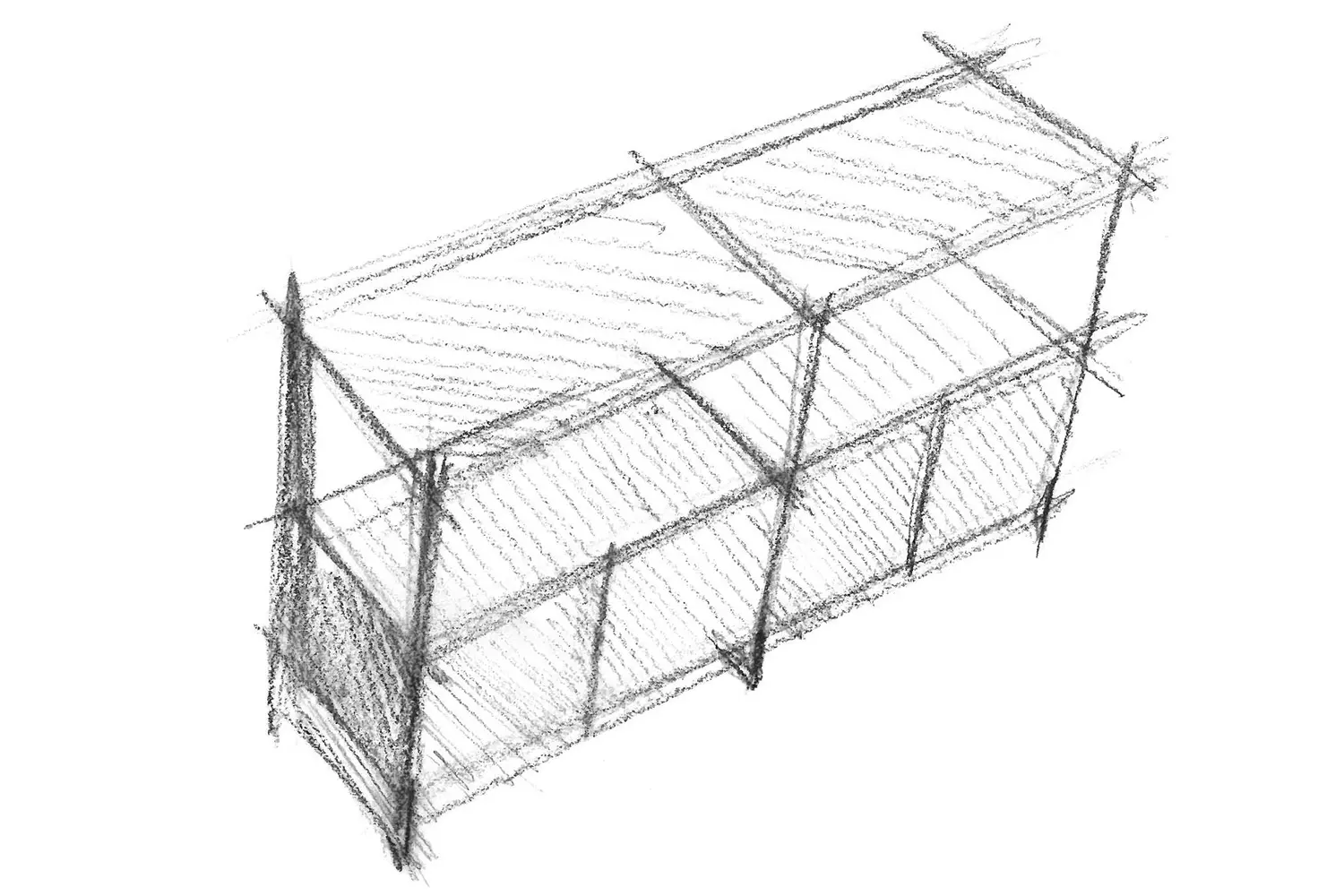
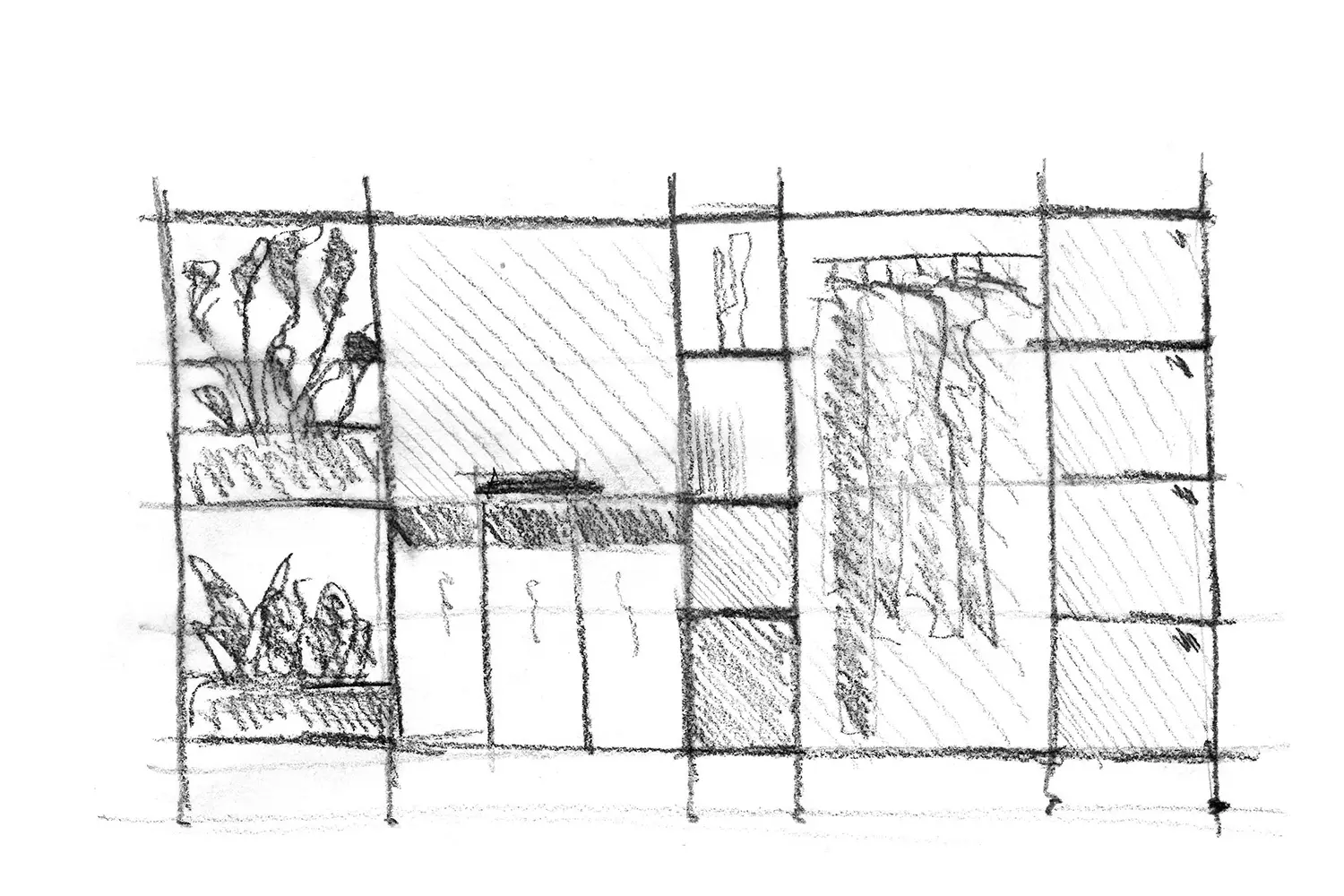
Traditional storage was usually a closed, monochrome cuboid. It stored, concealed and secured. Shelving systems such as Metal Rack, on the other hand, display objects, make things visible and allow direct access. Their function is less clearly defined and therefore more flexible. Their lightness and transparency also make it possible to use them at greater heights as room dividers.
Keyword “paperless office”: Why does storage still play an important role in the modern office?
To begin with, it should be noted that the transition from paper to digital storage is progressing more slowly than expected. But the change is happening and gaining momentum. At the same time, expectations regarding good design and a tangible corporate identity in our offices are increasing.
As a result, modern storage furniture reflects the shift from archiving to displaying and decorating. The closed cabinet is increasingly becoming an open shelf, housing symbols of good taste, education and corporate success. Plants, decorative objects, books, magazines and awards personalise office spaces and make them more colourful, individual and inviting.
Do you have any tips for office design in general, but also with regard to optimal storage and spatial organization?
It may sound obvious, but above all, one should focus on the needs of the employees and the organisation. At the same time, change should be considered from the very beginning.
For me, modularity is an important selection criterion: on the one hand, with regard to the interchangeability of components and thus their longevity; on the other, in terms of flexibility and versatility of use. Modular furniture can also encourage creativity within a company. It allows room for interpretation and play.
How does sustainability influence your designs and office design in general?
The way we think has indeed changed significantly. Today, one has to complement one’s own design principles with new aspects. Fundamentally, I have always been shaped by the idea of simplicity and clarity, the distinctness of function, a clear emotional message, the use of appropriate materials and the search for a simple form that fits its context.
The reduction of material use and material diversity has now become much more important. The later production process must be considered from the very beginning and thus becomes part of the form-finding process.