When clarity creates space
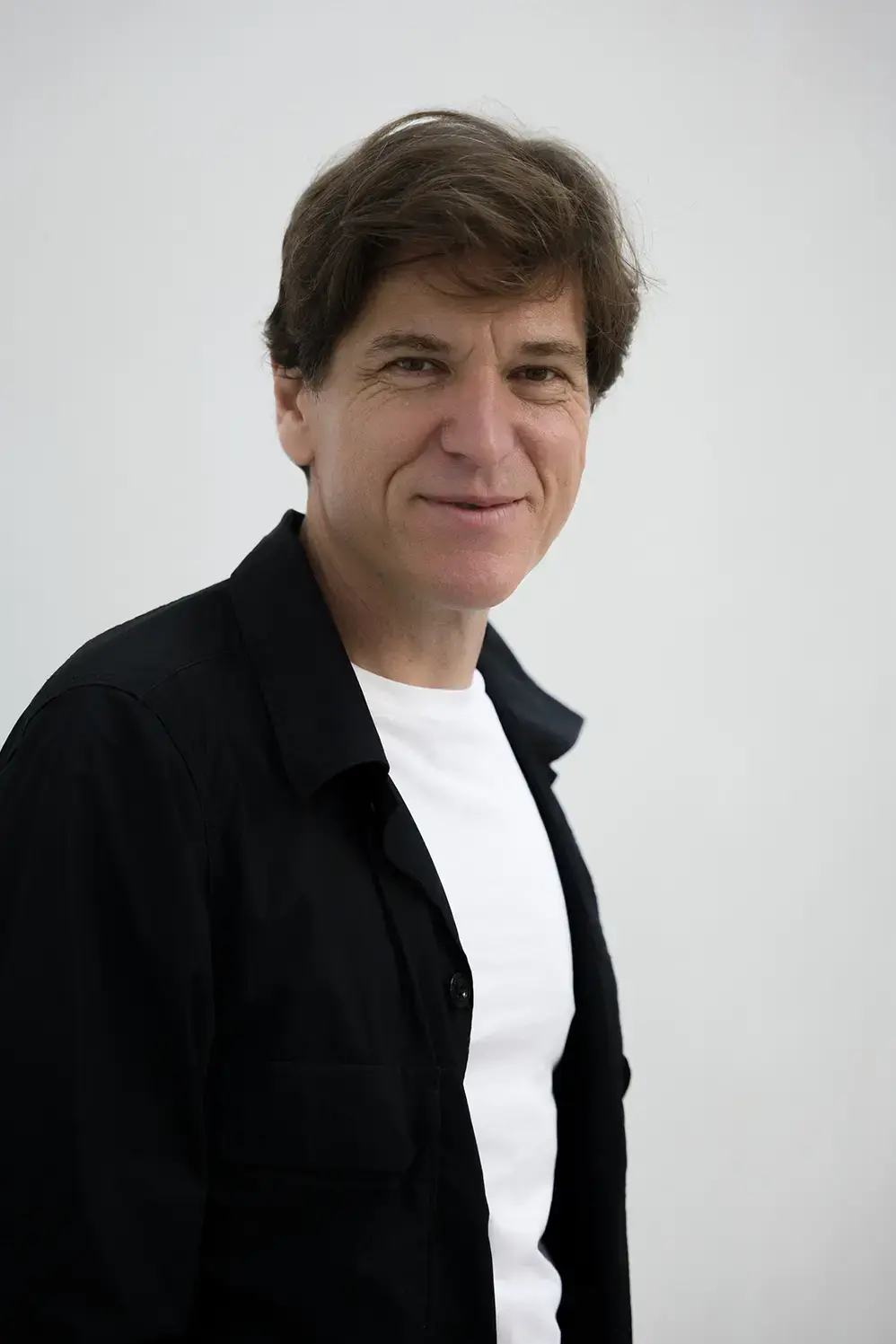
In Conversation with Designer Christian Horner
In Conversation with Designer Christian Horner
Good design is not about adding as many elements as possible, but about making the right choices. When developing MODU, designer Christian Horner focused on how to combine maximum design versatility with a clear, pared-back design language.
The result is a modular bench system that goes far beyond its function as seating. In this interview, Christian Horner discusses the art of reduction, the importance of proportions and what makes good design relevant in the long term.
What was the design concept behind MODU?
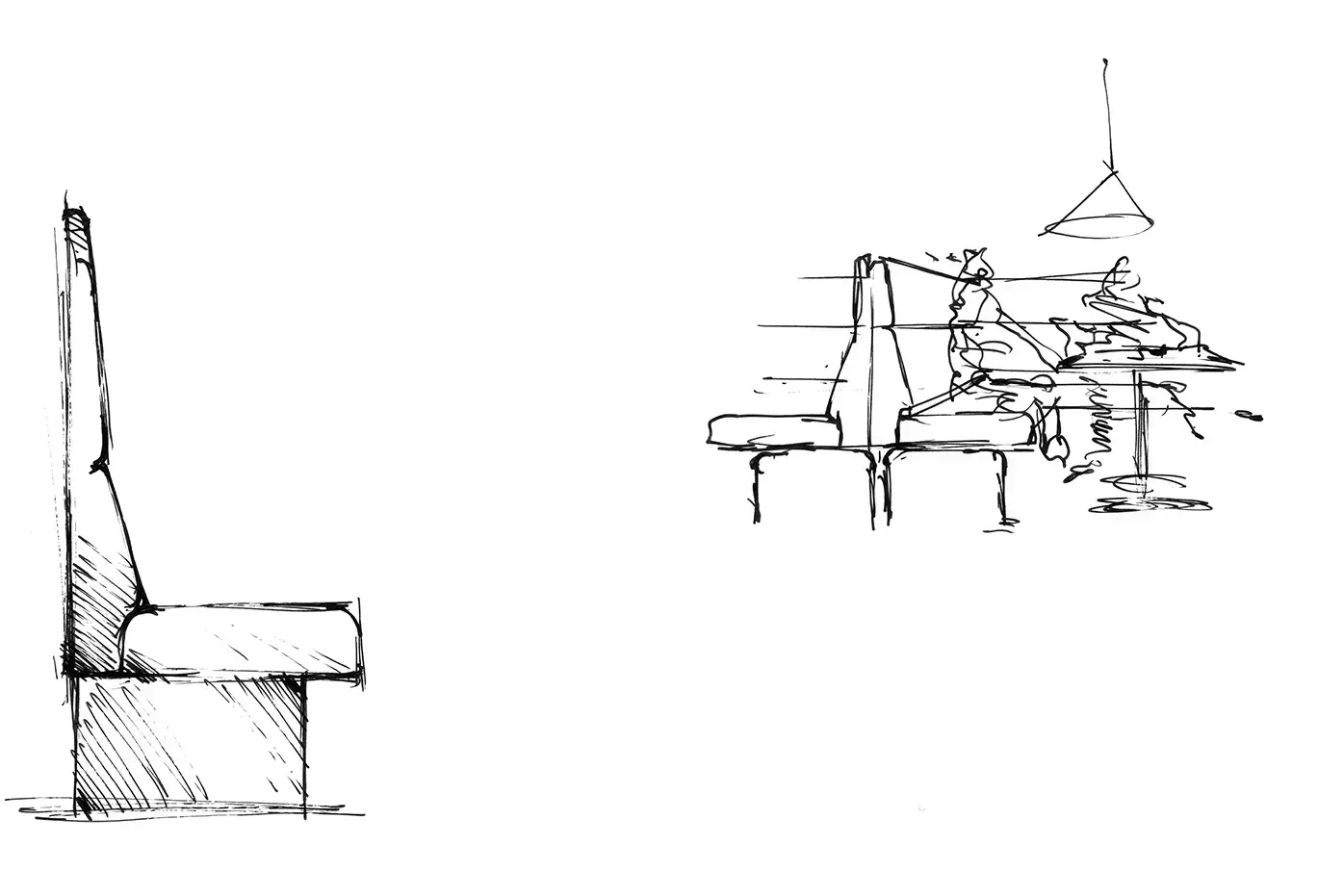
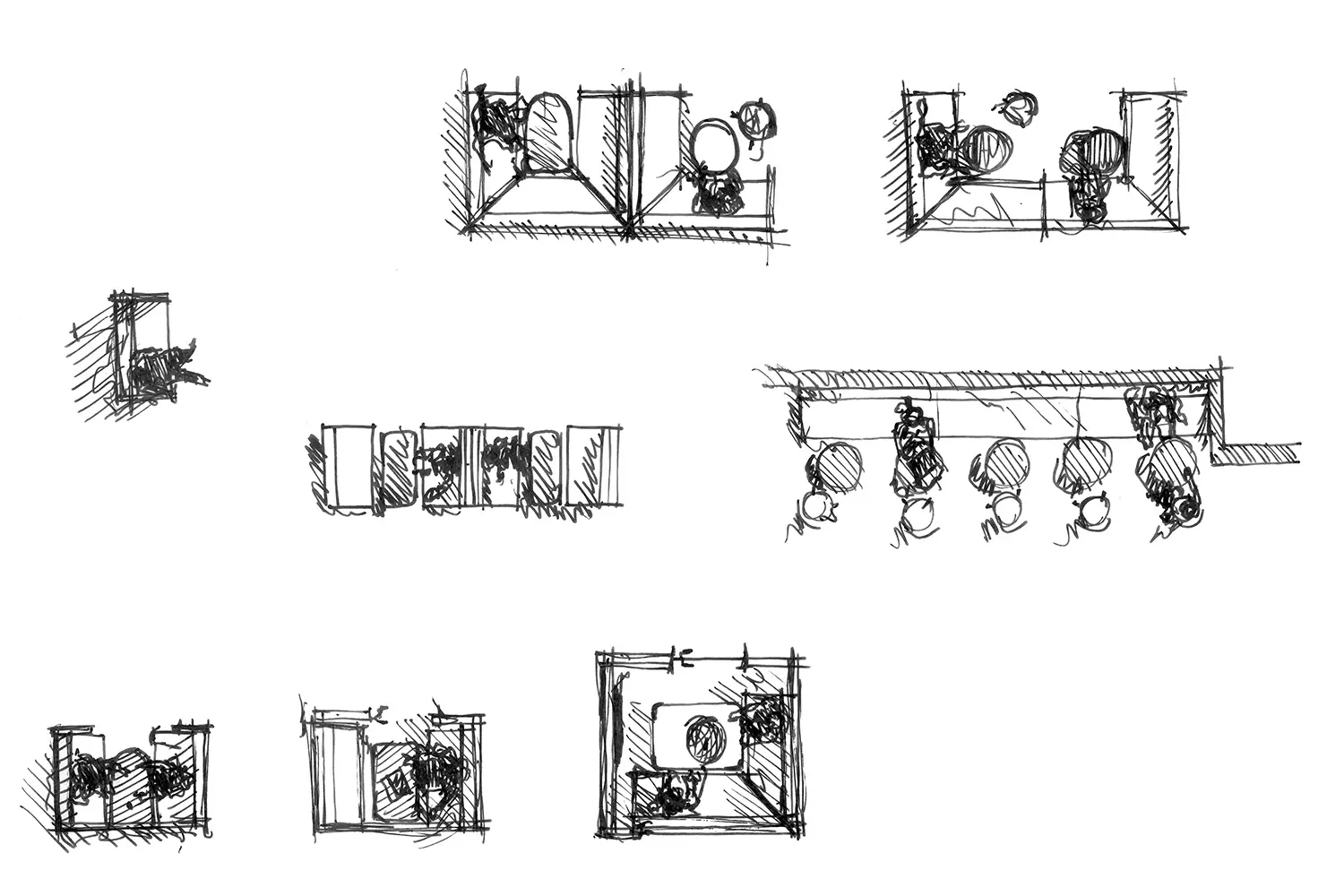
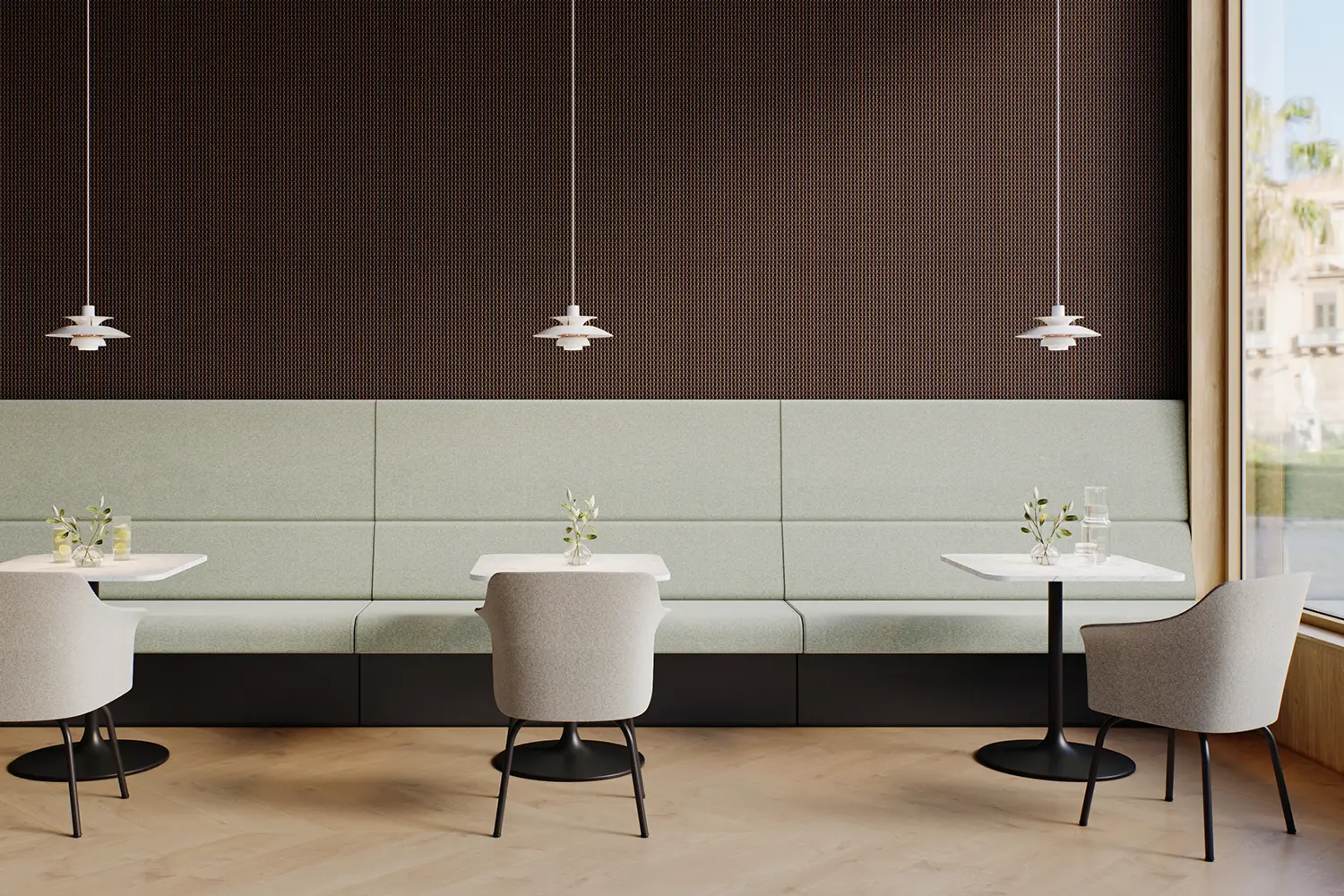
The aim was to create a modular upholstered seating system with the right proportions and seating ergonomics for a wide range of applications. Its consistent, space-efficient design offers exceptional flexibility in spatial planning. MODU can be used as a standalone bench, arranged in rows or clusters, configured as corner seating, or integrated into a variety of settings – freestanding, against a wall, within architectural niches or in dedicated spaces for focused work and collaboration.
How does the modular sofa system influence the architecture and perception of a space?
With its ability to sit flush against walls and fit seamlessly into architectural niches, MODU has a closer relationship with the built environment than many other types of seating. When used as a freestanding element, its high backrest acts as a spatial divider, while the generous upholstered surfaces can play a defining role in a room's colour scheme. MODU also makes a valuable contribution to the acoustic comfort of a space.
How do you strike a balance between visual simplicity and functional versatility?
By nature, any modular system offers a multitude of possible configurations. The challenge during the design process is to identify the settings and applications that will be most relevant in the future, and to develop the individual elements accordingly. This is what ultimately determines the right proportions and details. In practice, it means exploring and visualising a considerable number of variations to arrive at a carefully considered set of components that is as streamlined and cohesive as possible.
How is the modern workplace changing the demands placed on seating furniture?
What has changed is that people generally spend less time at their individual workstations and move more frequently between different areas throughout the day. Depending on the task at hand, they may need a space for focused work or informal interaction, whether working independently or collaborating in groups of varying sizes. This calls for a variety of spaces with distinct functions, each offering seating solutions suited to different ways of working.
How can a sofa system adapt to different spaces and applications without losing its identity?
Modular furniture systems naturally bring a sense of calm and structure to a space. At the same time, the materials, colours and simple forms of individual modules gain a strong visual presence when repeated across larger areas.
A distinctive character emerges through the configuration itself, the choice of materials and colours, and the way the system is combined with complementary furniture and lighting. These elements can be used to create striking accents and give each space its own identity.
Which deliberate design choices and omissions define MODU's minimalist aesthetic?
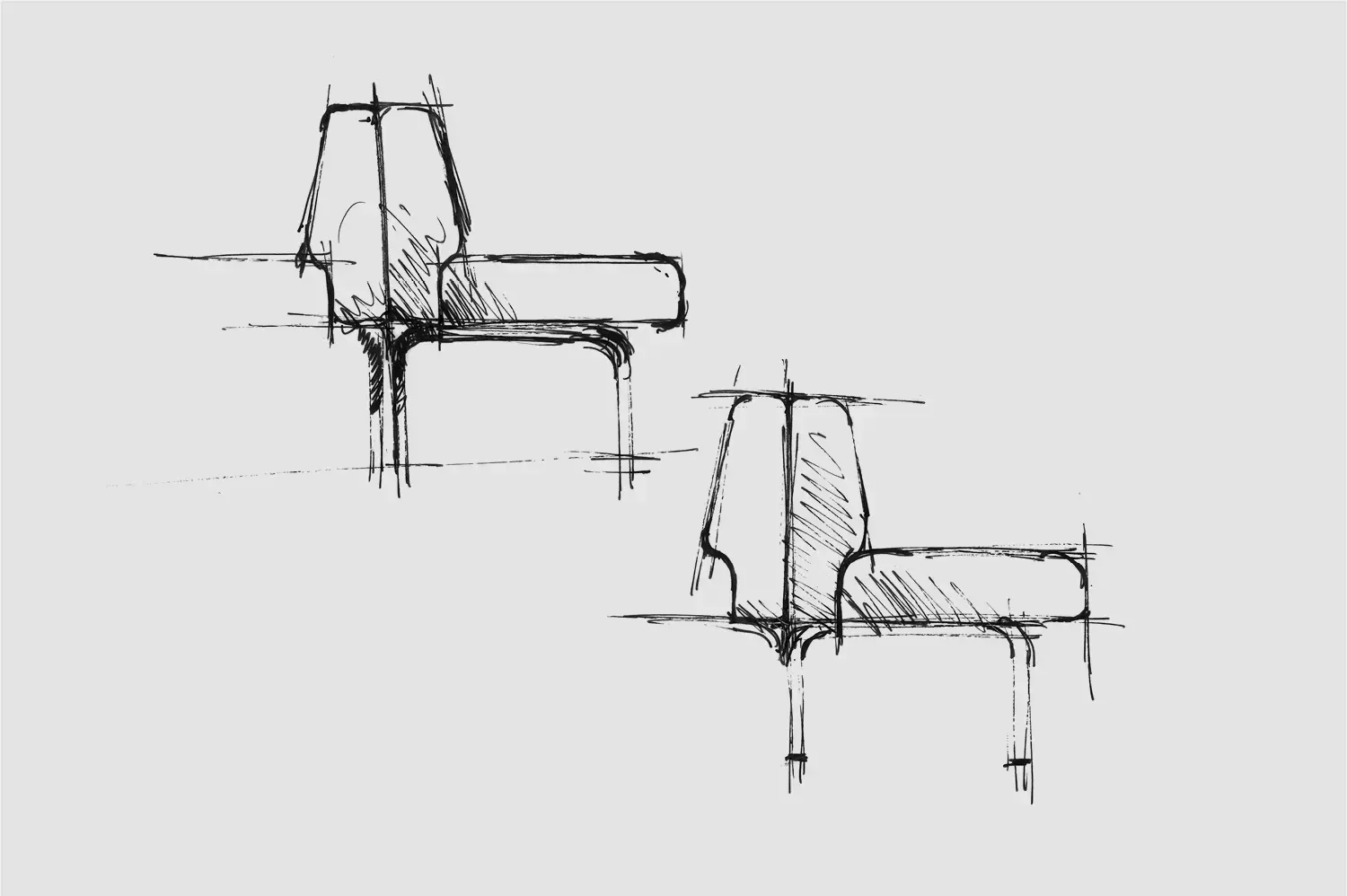
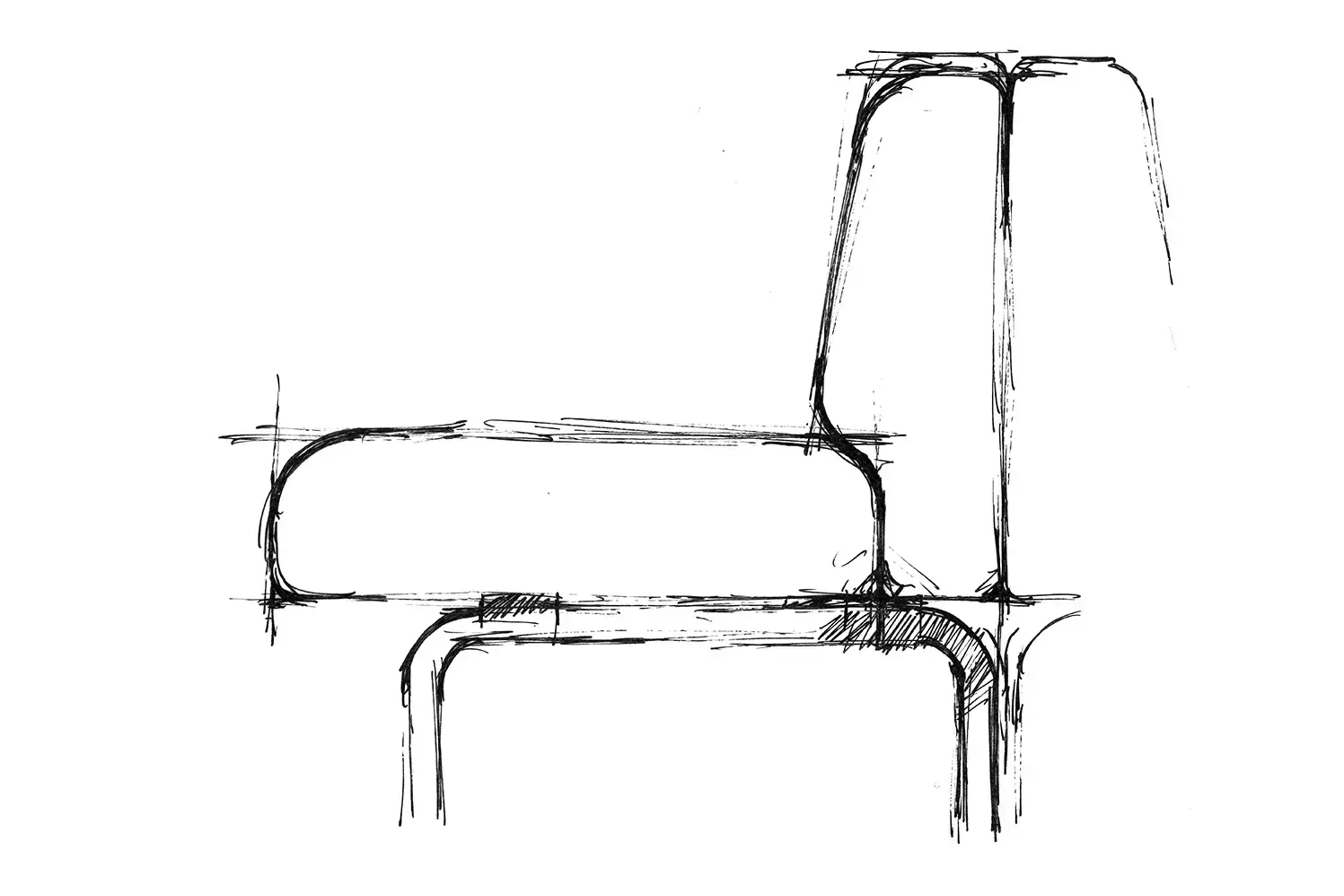
The upholstered elements are designed like sections cut from a continuous extrusion, allowing the system to be extended seamlessly. The option of positioning MODU directly against a wall also meant that the back had to be completely straight. In contrast, I deliberately gave the longitudinal edges softer, more rounded contours. This interplay creates an interesting visual tension. The system's most distinctive detail is the transition between the backrest and the seat, where the two forms meet.
What makes a modular furniture system relevant and timeless in the long term?
Modularity inherently allows for adaptation and reconfiguration. Individual elements can be added, removed or replaced as needs change. This makes modular systems particularly well suited to today's dynamic working environments. For a modular system to remain relevant and timeless, however, modularity must never become an end in itself or serve merely as a design statement. The quality of the details and the standard of craftsmanship are just as important as they are for any other piece of furniture.
Sketches: © Christian Horner